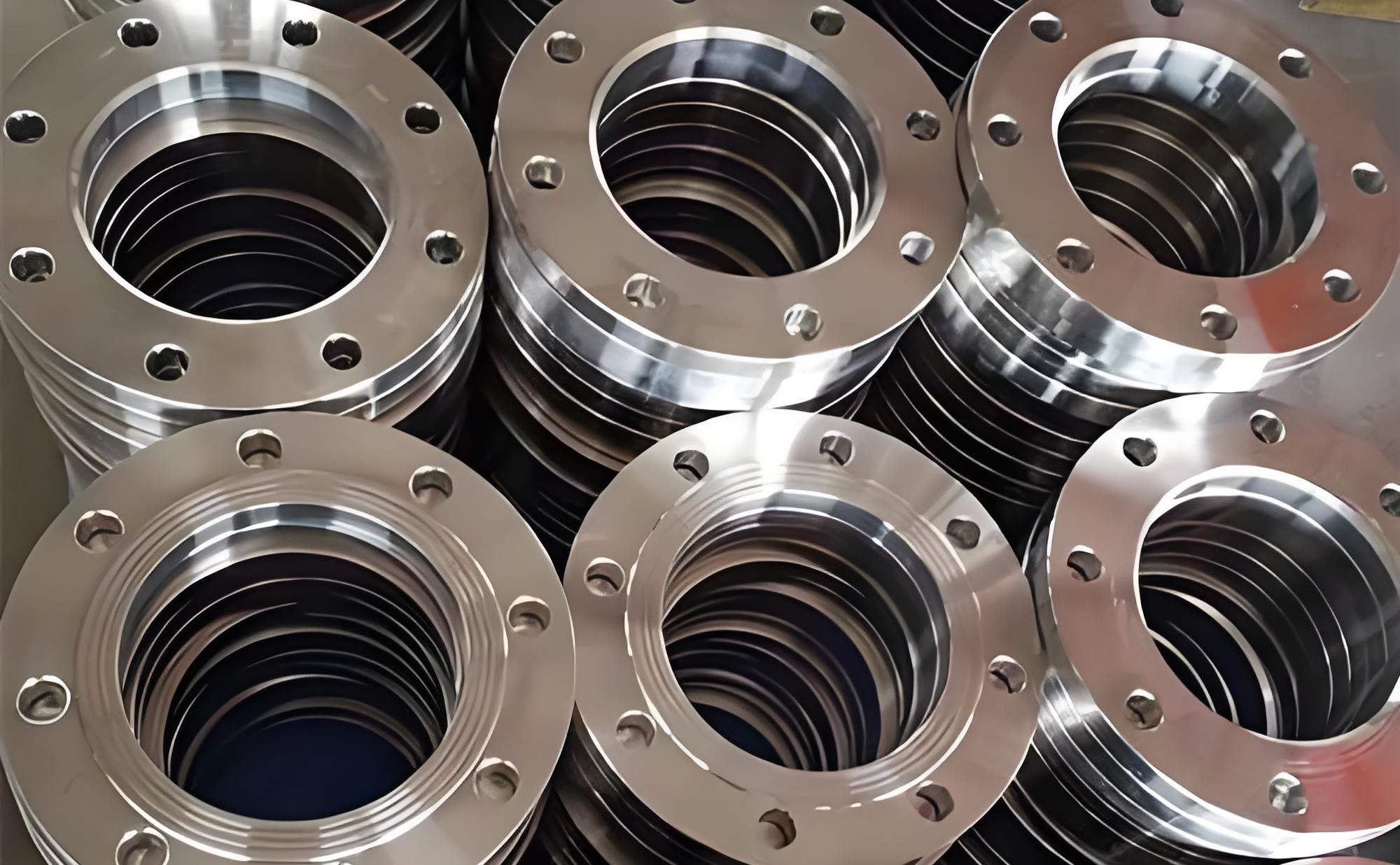
Loose flange LJ
Loose flange LJ (designation LJ) adopts a two-piece structure: the stub end is butt-welded and fixed to the pipe, and the movable flange plate is loosely fitted on the outer ring and can rotate 360 degrees, completing the sealed connection by means of bolts and gaskets. This design keeps the flange plate from directly contacting the conveyed medium, so in corrosive pipelines, only the stub end needs to use stainless steel or special alloy, while the flange plate can use carbon steel, which can significantly reduce material costs. At the same time, the flange plate can rotate freely, solving the problem of difficult bolt hole alignment on site, making installation and maintenance more convenient. The product implements standards such as ASME B16.5, GB/T9120-9122, HG/T20592, covering DN15-DN600 (NPS1/2"-24"), with pressure ratings Class150-600LB, PN6-PN40, suitable for low and medium pressure working conditions such as chemical industry, water treatment, food and pharmaceutical, and ship seawater pipelines. Guojie provides full-size stock and customization services, supports mixed-batch procurement, and is backed by comprehensive after-sales service.
Learn More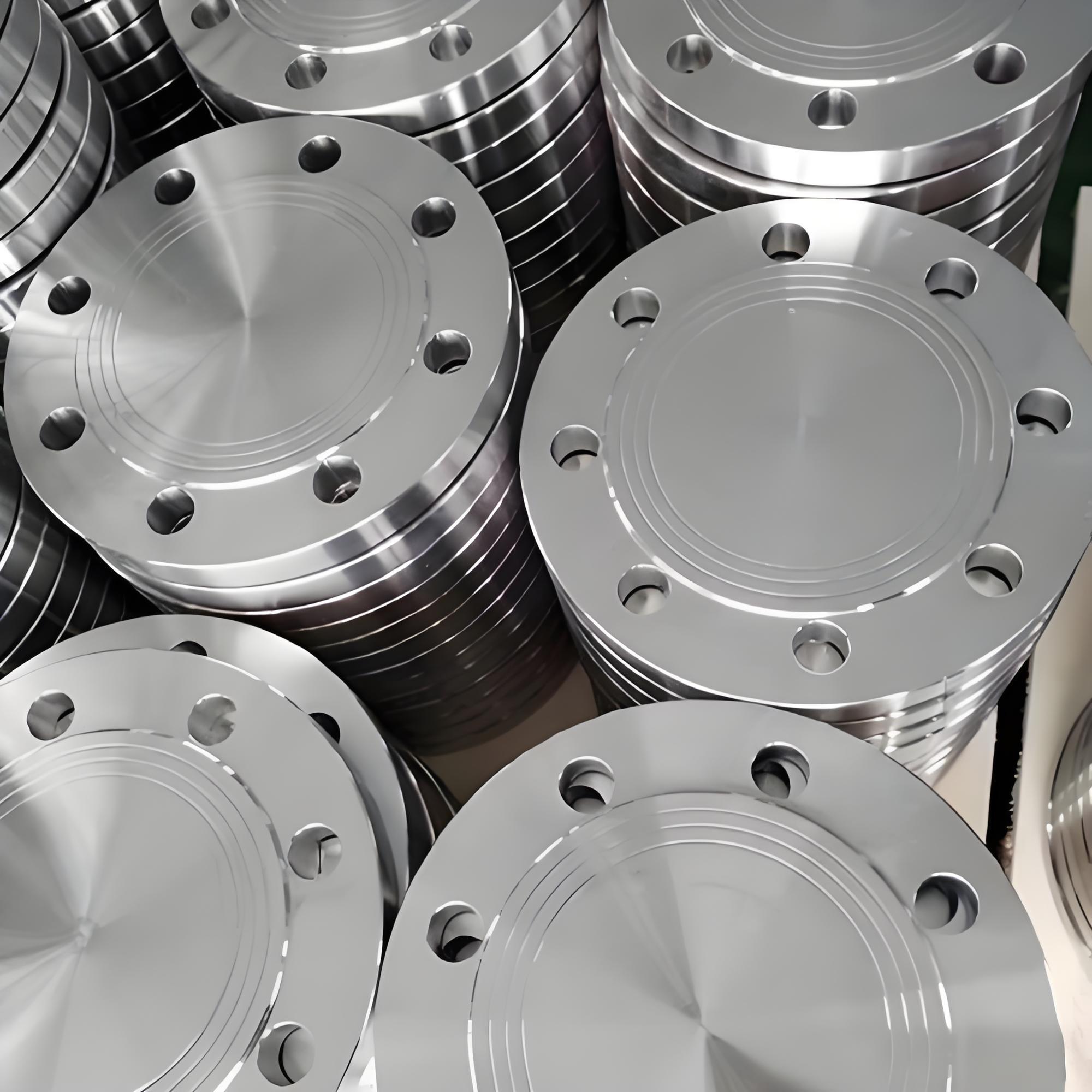
Blind Flange BL
BL blind flanges are manufactured using an integral solid forging process, with no sand holes, blowholes, or laminations, featuring high density, strong pressure-bearing performance, resistance to high pressure and impact, and resistance to deformation and cracking. The full range of sizes is standard, with precise bolt hole positions and high flatness of the sealing face. When paired with gaskets, they can achieve zero-leakage sealing, making them suitable for permanent plugging or repeated disassembly and pressure testing. The products cover mainstream standards such as ASME, GB, HG, and EN, with nominal diameters from DN15 to DN1200, pressure ratings from Class150 to 2500LB or PN6 to PN160, and sealing face forms including RF, FF, MFM, TG, RJ, etc. We keep regular stock, support low minimum order quantities, mixed batches, and non-standard customization, and provide export-grade packaging and after-sales service to meet the procurement needs of B2B customers worldwide.
Learn More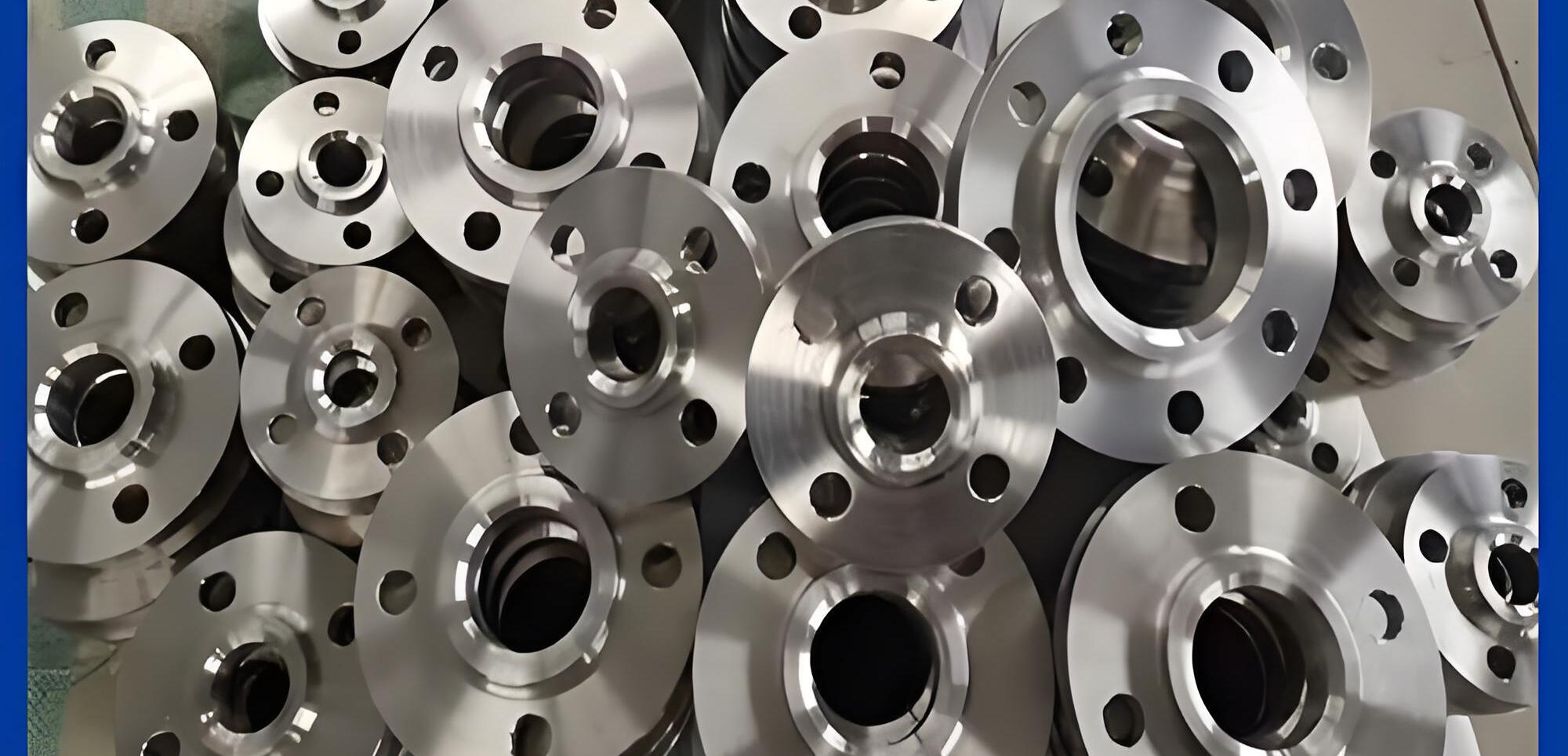
Integral Flange IF
Integral flange (IF) is a key component in industrial pipeline connections. Its uniqueness lies in the fact that the flange and the equipment body (such as valves, pumps, pressure vessels, etc.) are manufactured by integral forging or casting, forming an inseparable whole. Therefore, it has no weld seam like traditional welded flanges, has high structural rigidity, and uniform stress distribution, and can withstand high pressure, high temperature, vibration, and alternating loads, making it particularly suitable for harsh media such as flammable and explosive, toxic and harmful substances. This product complies with domestic and international standards such as HG/T20596, GB/T9113, ASME B16.5, EN1092-1, etc. The nominal diameter range is DN15-DN600, the pressure rating is Class150-2500LB or PN16-PN160, and the sealing surface forms are diverse. We provide various materials such as carbon steel and stainless steel, and support non-standard customization to meet the special needs of different projects.
Learn More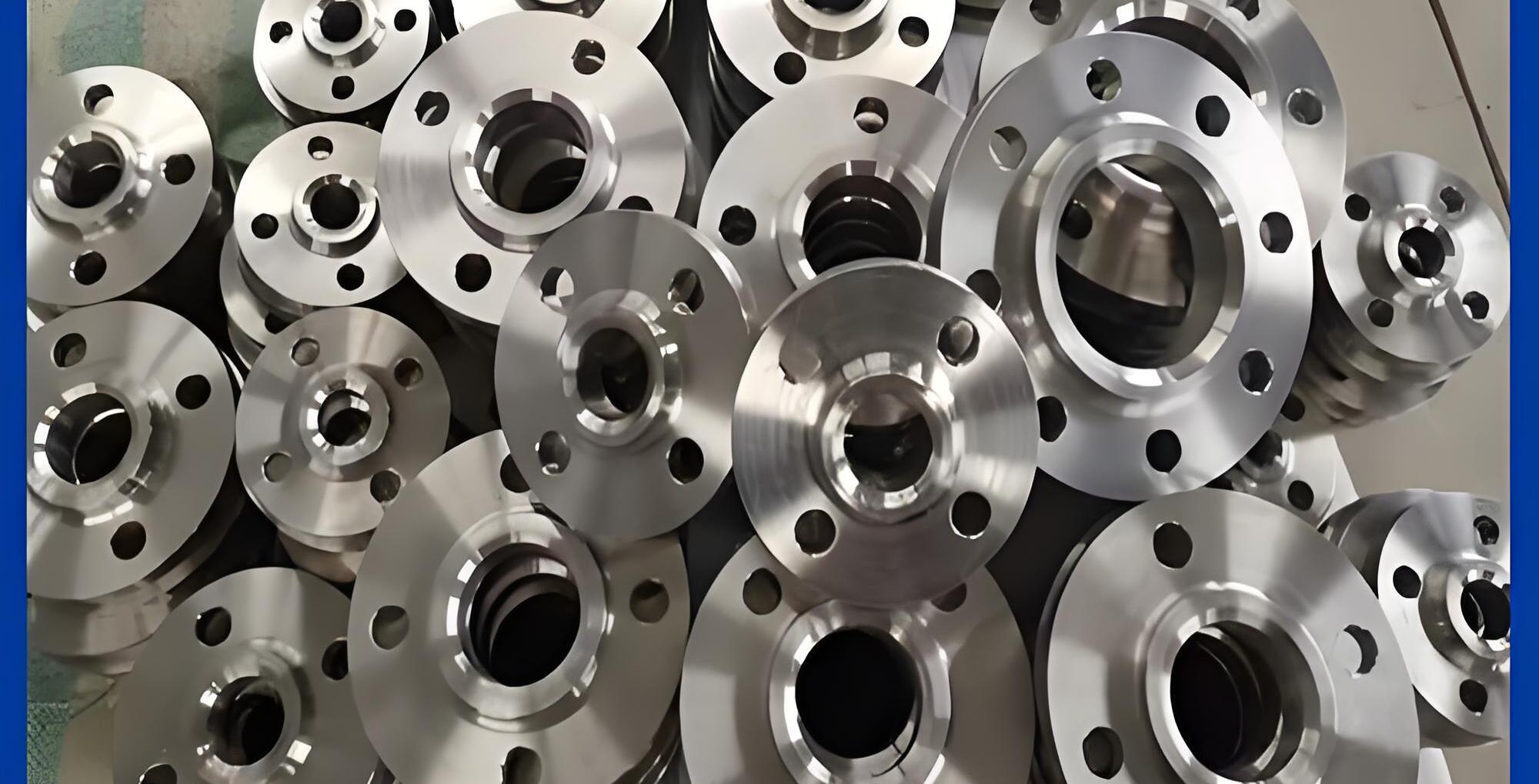
Reducing flange
A reducing flange is a transitional flanged pipe fitting with a standard flange outer diameter at one end and a different connecting pipe diameter at the other end. It is used to achieve flanged connection between pipes or equipment interfaces of two different nominal diameters, eliminating the step of installing a combination of an ordinary flange and a reducer. Compared with traditional solutions, the reducing flange has a more compact structure, reduces one weld seam, saves installation space, and lowers the risk of leakage. The product complies with standards such as ASME B16.5, GB/T9114, HG/T20592, and HG/T20615, with specifications covering DN15-DN600 and pressure ratings of Class150-2500LB and PN6-PN160. We provide various materials including carbon steel and stainless steel, and support concentric/eccentric types, various sealing faces, and non-standard customization. Reducing flanges are widely used for diameter-changing connections in pipelines in chemical, oil and gas, power plant, water treatment, and other industries, as well as for pump and valve inlet/outlet connections and transitions for non-standard equipment interfaces. Because the processing difficulty is higher than that of standard flanges, stock is relatively limited, and most specifications require customization. You are welcome to provide dimensions and quantities, and we will assist with a quotation.
Learn More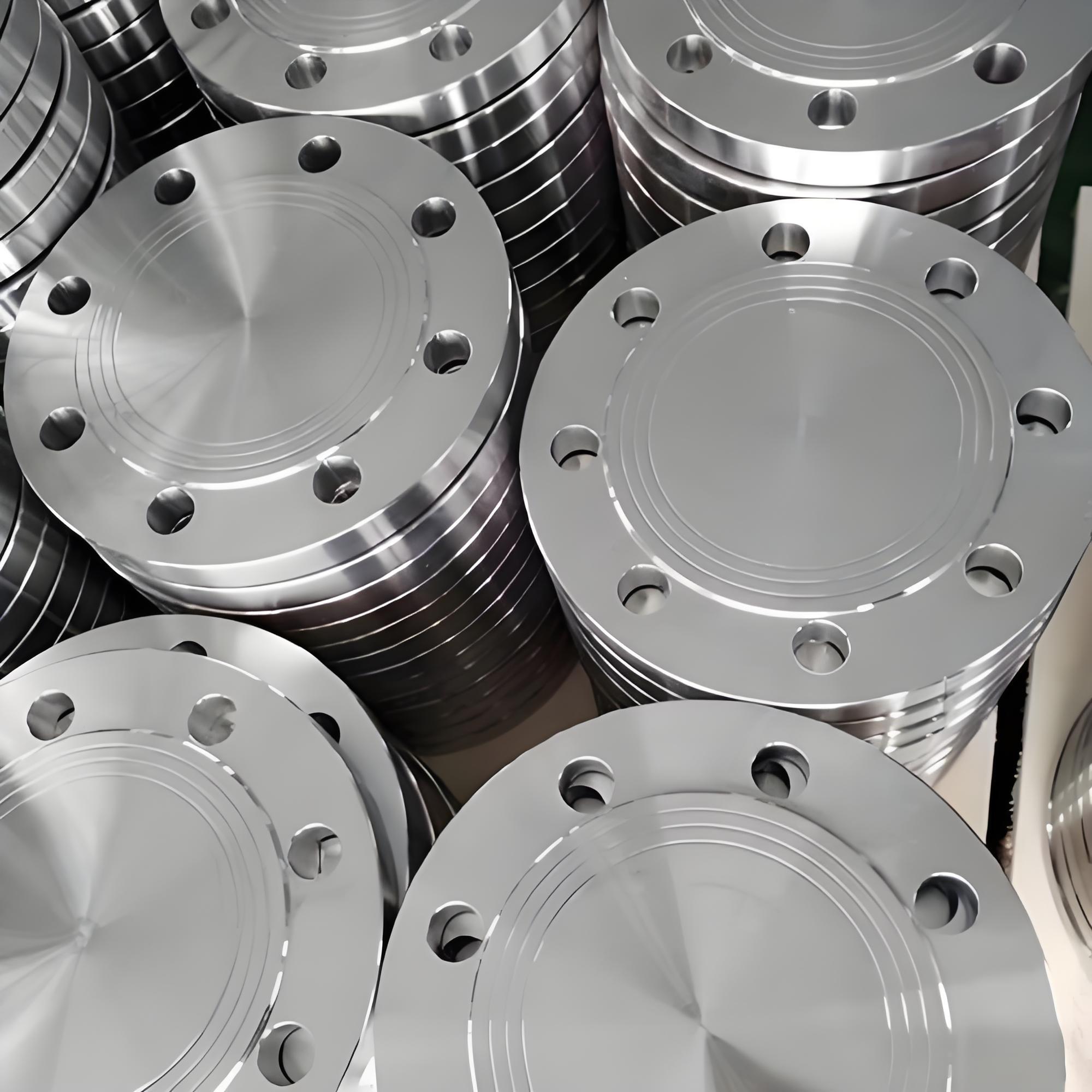
Orifice flange
The orifice flange is a core pipe fitting for differential pressure flow measurement. It is used in pairs, with an orifice plate clamped in between. It collects the upstream and downstream pressure differential through pressure tapping holes and works with a differential pressure transmitter to achieve precise measurement of fluid flow. The product complies with ASME B16.36 and HG/T20592 standards, with nominal diameters from DN25 to DN600, pressure ratings from Class300 to 2500LB or PN10 to PN160, and no Class150 low-pressure specification. Compared with ordinary flanges, orifice flanges come with NPT pressure tapping threaded holes and set screws, allowing quick disassembly and assembly of the orifice plate without shutting down the pipeline, which facilitates inspection and maintenance. The product adopts integral forging and CNC precision turning processes to ensure hole coaxiality and sealing performance, and is suitable for trade measurement and process control in industries such as petroleum, chemical, natural gas, and power. We provide flexible customization services, supporting non-standard sizes, special materials, and sealing surface machining to meet the needs of different projects.
Learn More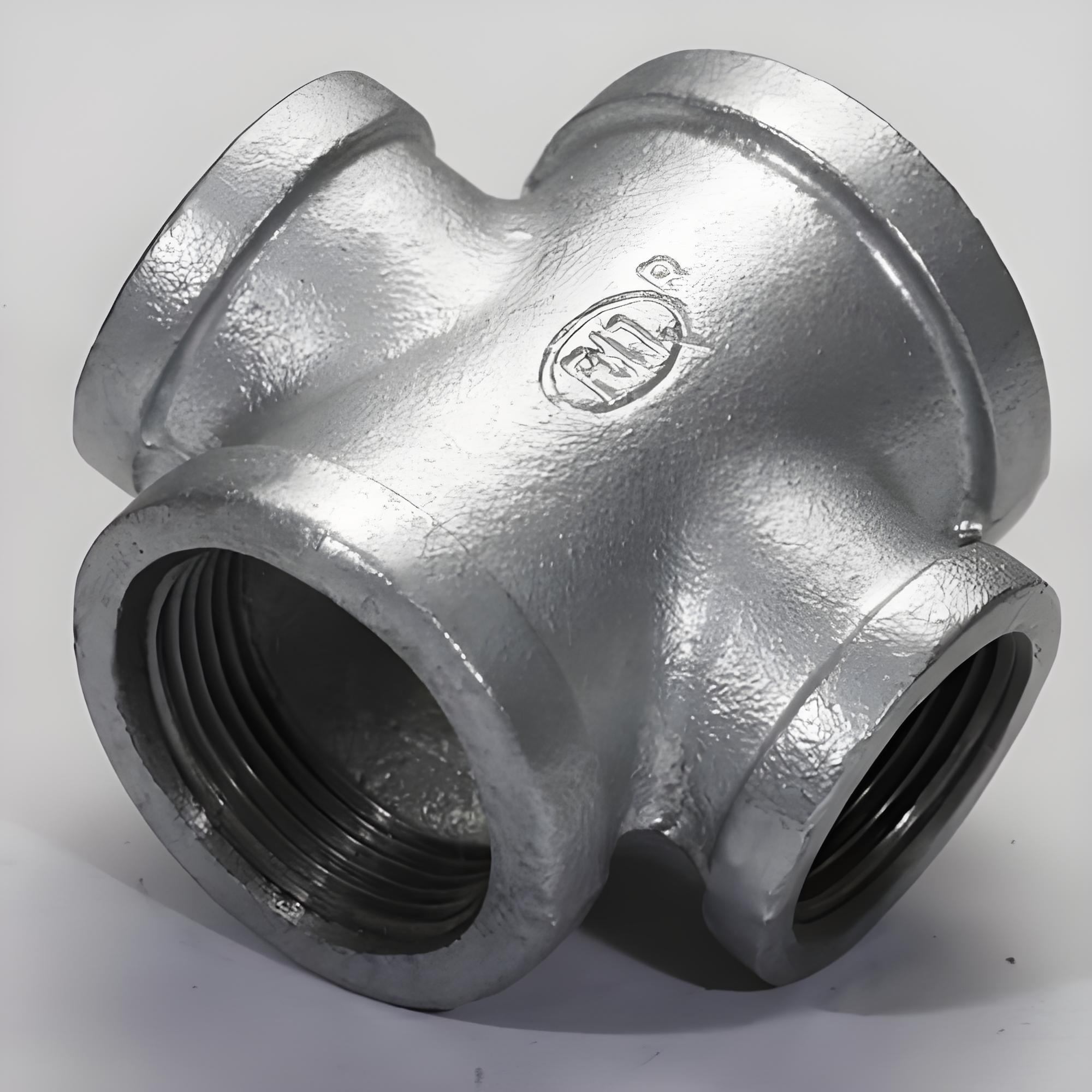
Stone
A four-way (cross fitting) is a key branch pipe fitting in industrial piping systems. Its cross-shaped structure has four flow ports, enabling single-inlet three-outlet, three-inlet single-outlet, or four-way interconnection, meeting the multi-point diversion and merging needs of complex pipeline networks. Compared with using multiple tees and elbows assembled together, a four-way can significantly simplify pipeline layout, reduce weld joints, and lower leakage risks. The product complies with domestic and international standards such as ASME B16.9, GB/T12459, and SH/T3408, with nominal diameters ranging from DN15 to DN1200, wall thickness grades from SCH10 to SCH160 and XXS extra-heavy, covering two major types: equal-diameter and reducing, with connection methods including butt welding, socket welding, threaded, and grooved. In terms of forming processes, we use hot pushing, hydraulic bulging, and integral forging to ensure uniform pipe walls with no defects, and the streamlined inner cavity design reduces medium resistance. The products are widely used in petrochemical, oil and gas transportation, power plant steam systems, water treatment, and fire protection pipeline networks, suitable for engineering projects with high requirements for pipeline reliability. We provide standard stock items and non-standard customization services, support small-batch trial samples and mixed-batch procurement, and welcome you to contact us for selection advice and quotations.
Learn More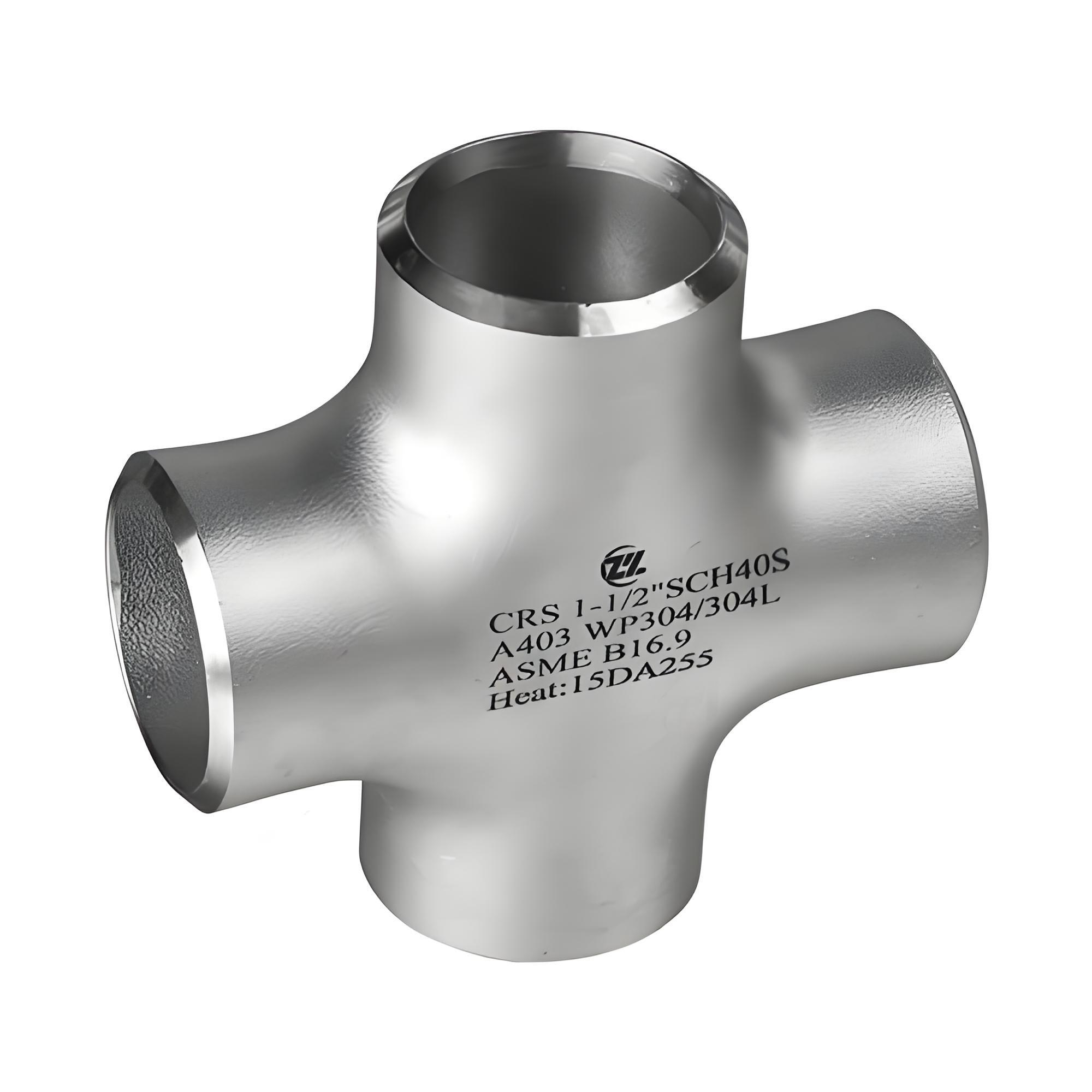
Equal-diameter cross
An equal-diameter cross is a cross-shaped pressure-bearing pipeline fitting in which the nominal diameters of all four pipe openings are completely identical, with all four pipe diameters being the same, allowing the medium to achieve four-way diversion, convergence, and annular distribution. The mainstream forming processes include hot pushing, hydraulic bulging, and integral forging, and the main applicable standards are ASME B16.9, GB/T12459, and SH/T3408. The product diameter range is DN15 to DN1200, and the wall thickness covers SCH10 to SCH160 and the XXS extra-heavy grade. It is integrally formed in one piece, with a smooth streamlined inner cavity, balanced pressure distribution, and low eddy current resistance, making it suitable for symmetrical process pipe networks and annular pressure-stabilizing pipelines. Unlike a reducing cross, an equal-diameter cross cannot change the pipe diameter, and it is mostly used for multi-way equal-distribution conveyance in plant areas, circulating pipe networks, and parallel pipelines. The product is widely used in high-pressure industrial pipeline systems such as petrochemicals, thermal power, natural gas, water treatment, and heating. Due to stress concentration at the intersection, non-destructive testing must be carried out before leaving the factory to ensure safe operation under high-pressure working conditions.
Learn More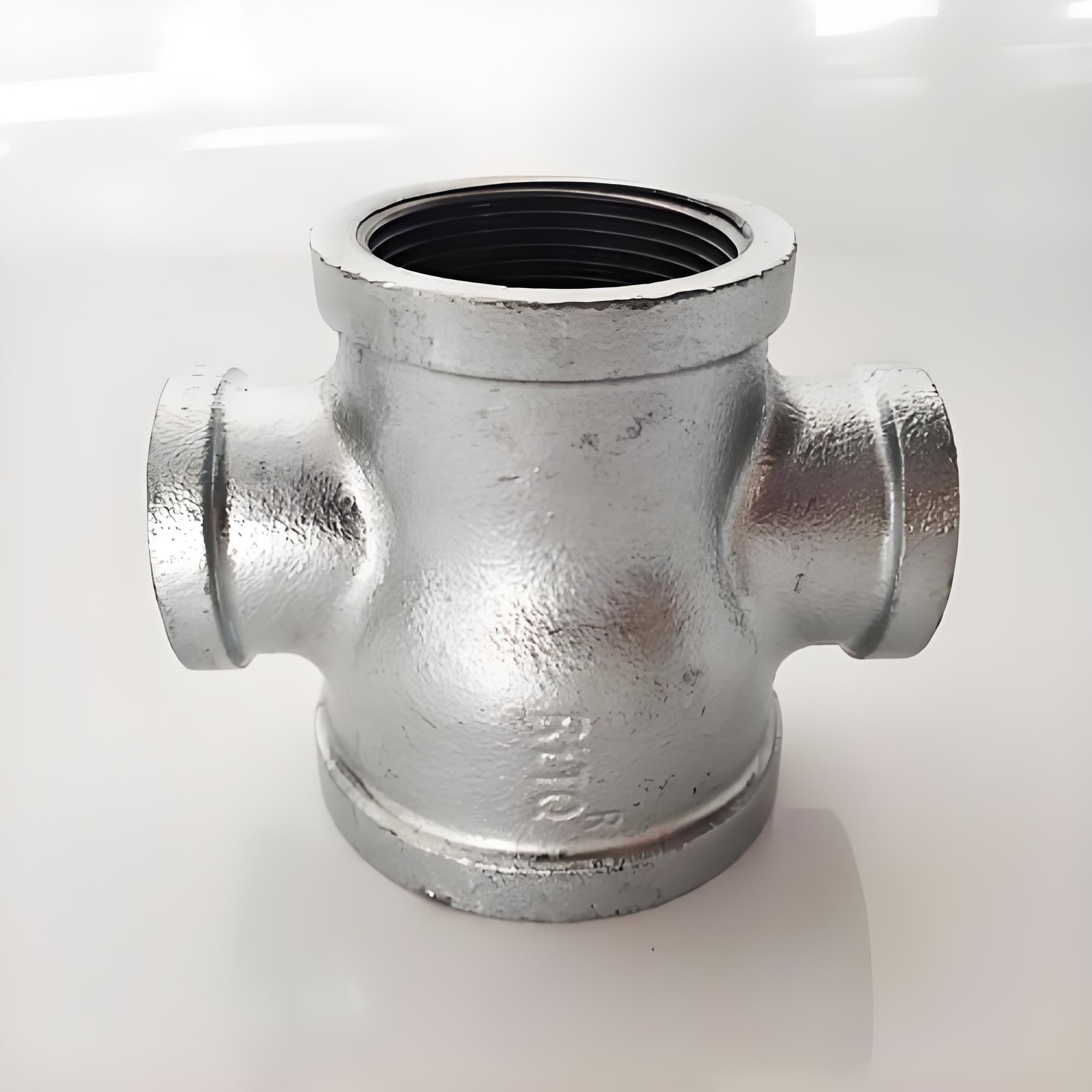
Reducing Cross
A reducing cross is a cross-shaped pipe fitting in which at least two of the four pipe ends have unequal nominal diameters. It is used to simultaneously achieve multi-branch distribution and pipe diameter transition within a piping system, without the need to install additional reducers, thereby streamlining pipeline layout and reducing welds and leakage risks. The product complies with standards such as ASME B16.9, GB/T12459, and SH/T3408. The diameter range is DN15 to DN1200, and wall thickness grades range from SCH10 to SCH160 as well as XXS extra heavy. Forming processes include hot pushing, hydraulic bulging, forged machining, and welded plate fabrication, ensuring uniform and dense pipe walls, suitable for high-pressure, high-temperature, and complex fluid service conditions. Reducing crosses are widely used in petrochemical, oil and gas, power plant, coal chemical, water treatment, and other fields, and are especially suitable for process pipe sections in plant areas where multiple branch pipes of different specifications are simultaneously branched off. We provide various materials such as carbon steel and stainless steel, and support customization of structures including two-way, three-way, and eccentric reducing configurations to meet different engineering requirements.
Learn More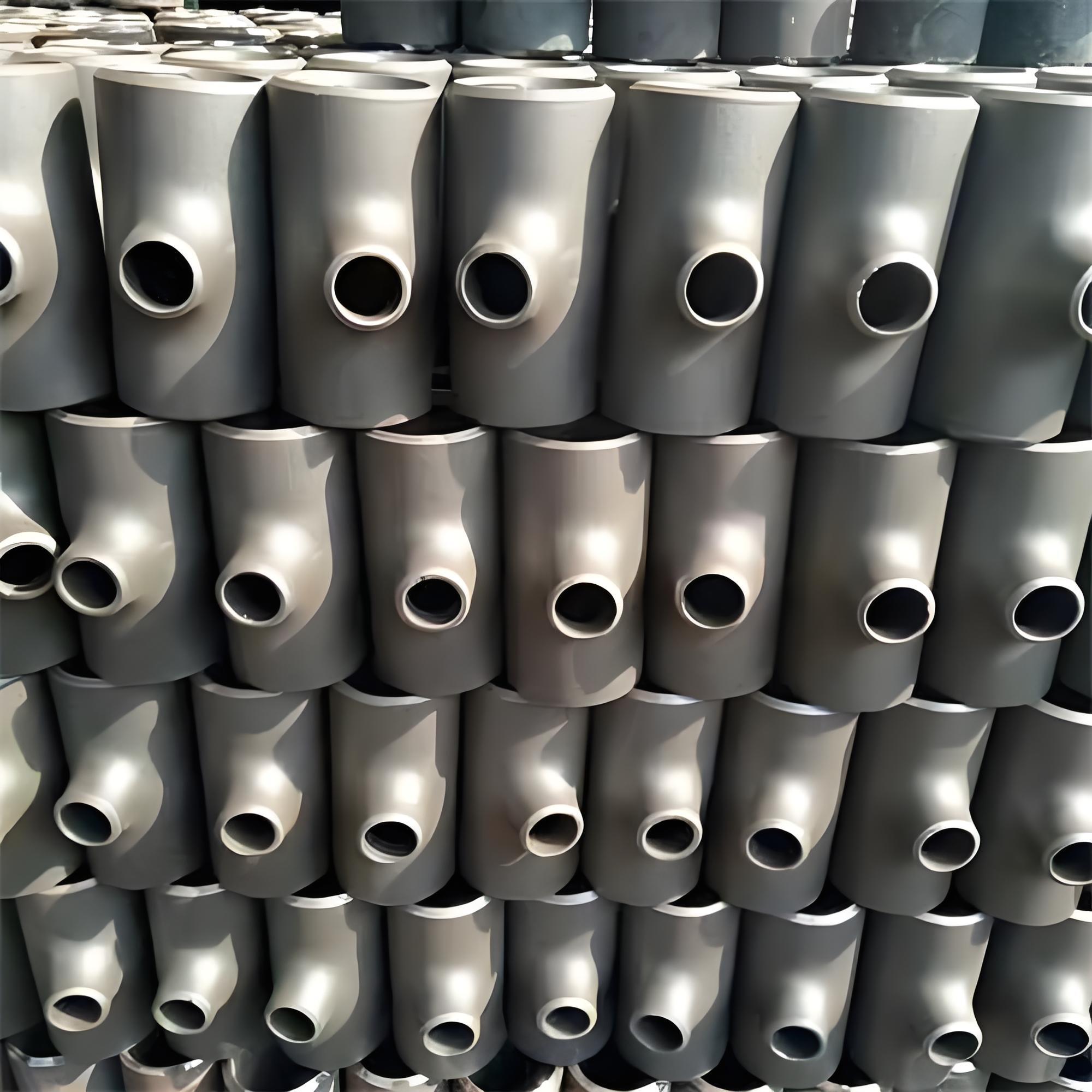
Eccentric Reducing Cross
The eccentric reducing cross is a custom reducing cross under the Guojie brand. Its reducing port adopts an eccentric non-concentric transition, keeping one side of the pipe wall flush (top-flat or bottom-flat), and is specially designed for horizontal process pipelines. Compared with ordinary concentric crosses, the eccentric structure can avoid the formation of gas pockets and liquid pockets at the reducing position of horizontal pipelines, effectively solving the hidden dangers of gas accumulation, liquid accumulation, medium sedimentation and retention, and cavitation. The product implements the ASME B16.9, GB/T12459, GB/T13401, and SH/T3408 standards, with a nominal diameter range of DN15-DN1200 and wall thickness grades SCH10-SCH160 and XXS extra-heavy. This product can simultaneously achieve four-way medium splitting, merging, and pipe diameter transition without the need for additional reducing pipe fittings, simplifying the pipeline structure and reducing weld leakage points. It is widely used in horizontal pipeline networks for oil products, chemical fluids, steam, sewage, etc., and is especially suitable for working conditions requiring continuous venting (top-flat) or thorough condensate drainage (bottom-flat). Non-standard customization is supported to meet different engineering needs.
Learn More