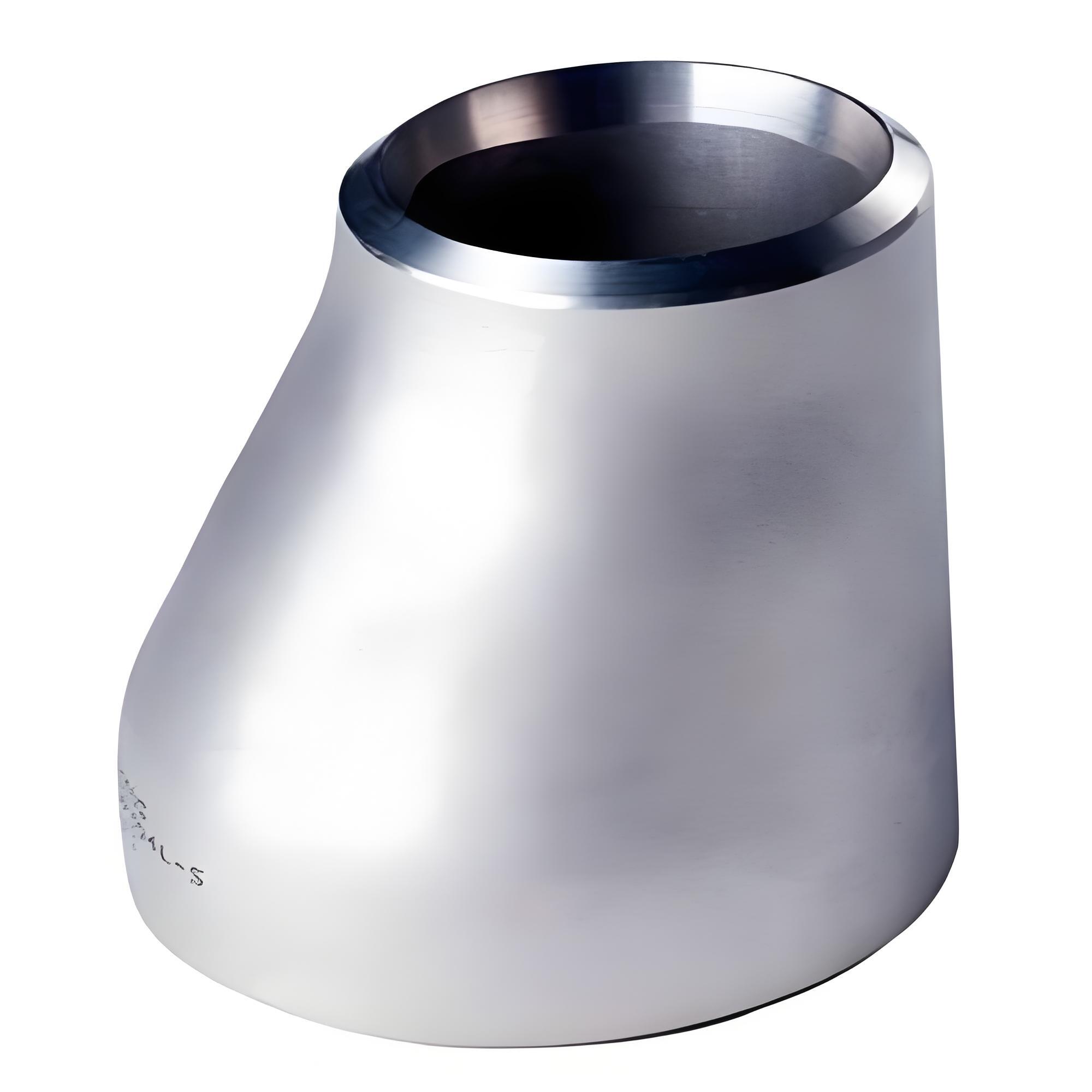
Eccentric Reducer
The eccentric reducers we produce differ from the centered conical structure of concentric reducers by adopting a design with one side flat and straight and the other side eccentrically tapered. They connect horizontal pipes of two different diameters, and while achieving pipe diameter transition and adjusting medium flow velocity, they avoid gas accumulation, liquid accumulation, and sediment deposition in horizontal pipes. The products are manufactured according to standards such as GB/T12459, GB/T13401, ASME B16.9, SH/T3408, HG/T21635, etc., covering full diameter ranges, full pressure ranges, and full material series. The overall forming is uniform, the flow channel is smooth, and the pressure resistance and sealing performance are stable. According to working conditions, they are divided into two forms: flat-top eccentric and flat-bottom eccentric. Flat-top is mostly used at pump inlets to prevent cavitation, and flat-bottom is mostly used in drainage pipelines to prevent sedimentation. We support non-standard customization and a variety of material options. Welcome to contact us to confirm specific configurations and quotations.
Learn More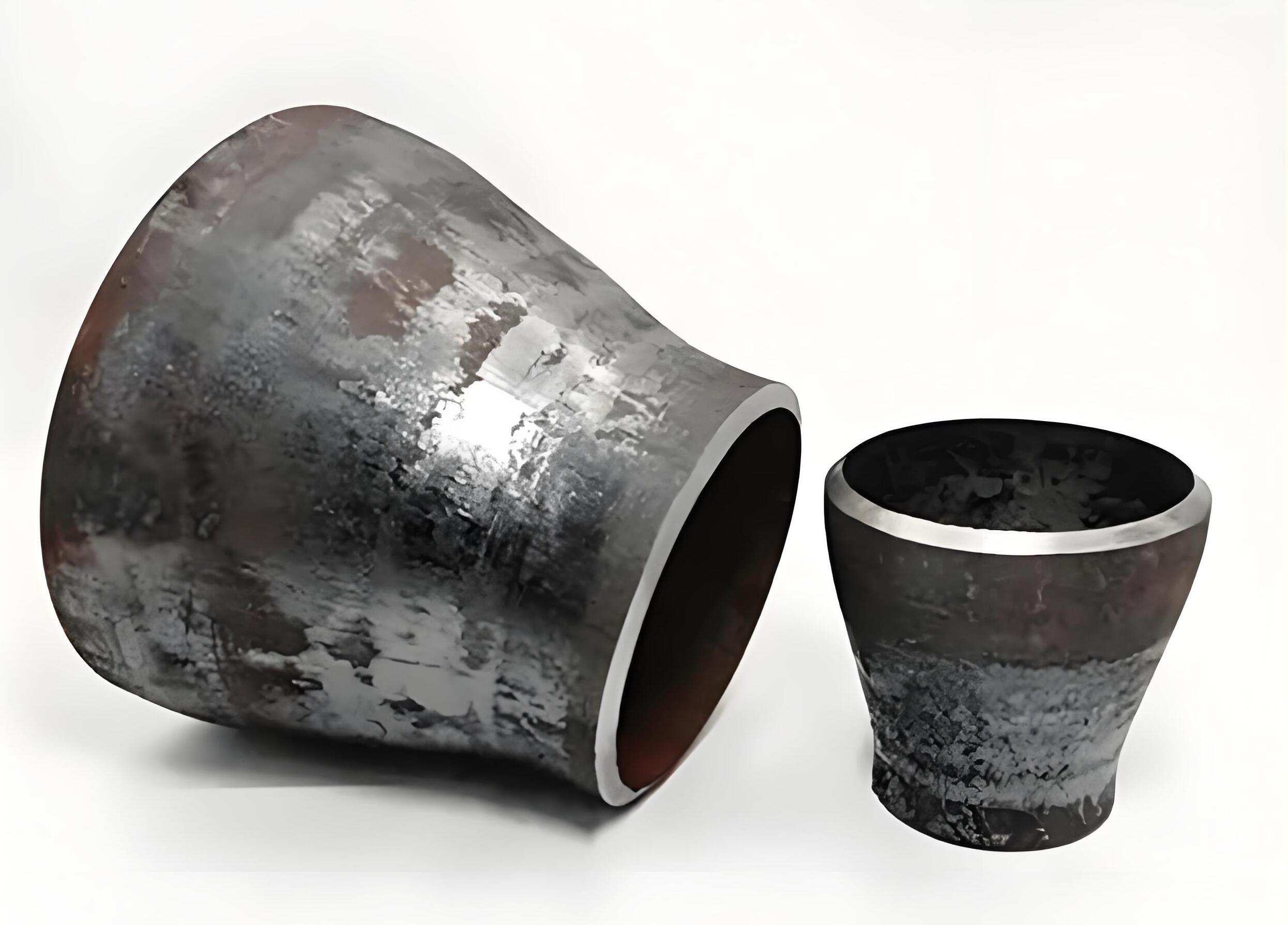
BW butt weld reducer
BW butt-weld reducer (butt-weld concentric/eccentric reducer) is butt-welded to the pipeline through beveled ends at both ends, and the weld seam merges with the base metal, providing high overall strength and good sealing performance, suitable for high-temperature and high-pressure and flammable and explosive media transportation. The concentric type is used for vertical risers, steam and gas pipelines, with the medium transported in the center and stable flow channels; the eccentric type is divided into top-flat and bottom-flat, used for horizontal pipelines, which can solve the problems of pump inlet cavitation and drainage sedimentation. The product diameter range covers DN15-DN1800, wall thickness includes STD/XS/XXS and the full SCH series, and the raw materials are made from seamless steel pipes or steel plates processed and formed, with the butt joint gap controllable after precision machining of the bevel. We can confirm the material, bevel angle, straight pipe section length and surface treatment method according to project requirements, and welcome drawings or samples to assist with quotation.
Learn More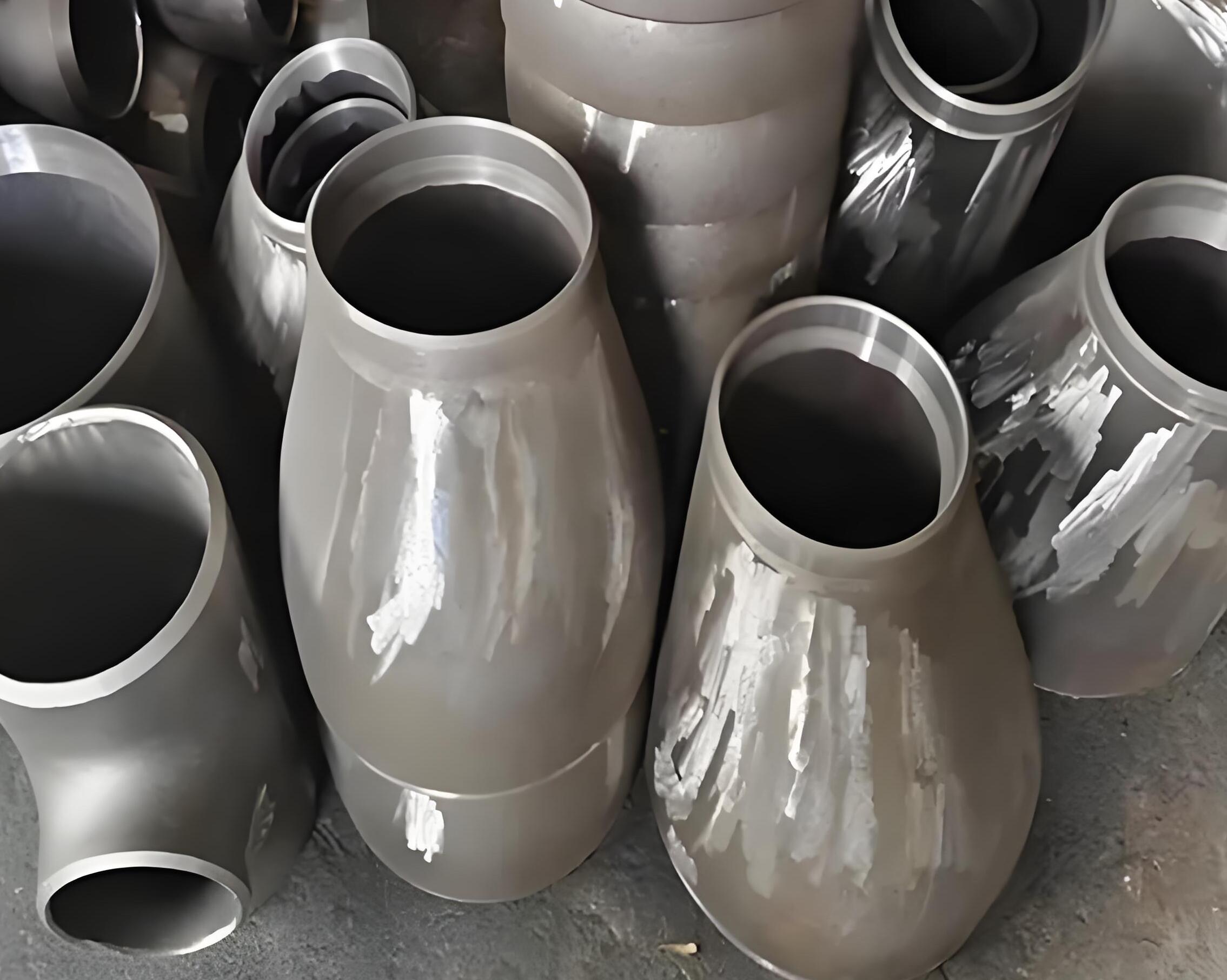
SW Socket Weld Reducing Pipe
The SW socket weld reducing pipe fittings we supply are formed by integral forging, with socket ports reserved in the body, and the pipe is fillet welded after insertion. Compared with butt weld pipe fittings, they have a more compact structure and are more convenient for installation and positioning, making them suitable for instrument branch pipes, sampling pipelines, vent pipelines, and other locations with limited space. The specifications cover DN6 to DN100, with pressure ratings of Class3000, Class6000, and Class9000, and they are available in two structures: concentric and eccentric. The concentric type is mostly used for vertical risers, while the eccentric type is used for small horizontal pipes, which can reduce gas and liquid accumulation. Materials include carbon steel, stainless steel, alloy steel, duplex steel, etc. They comply with standards such as GB/T14383, ASME B16.11, and MSS SP-97.
Learn More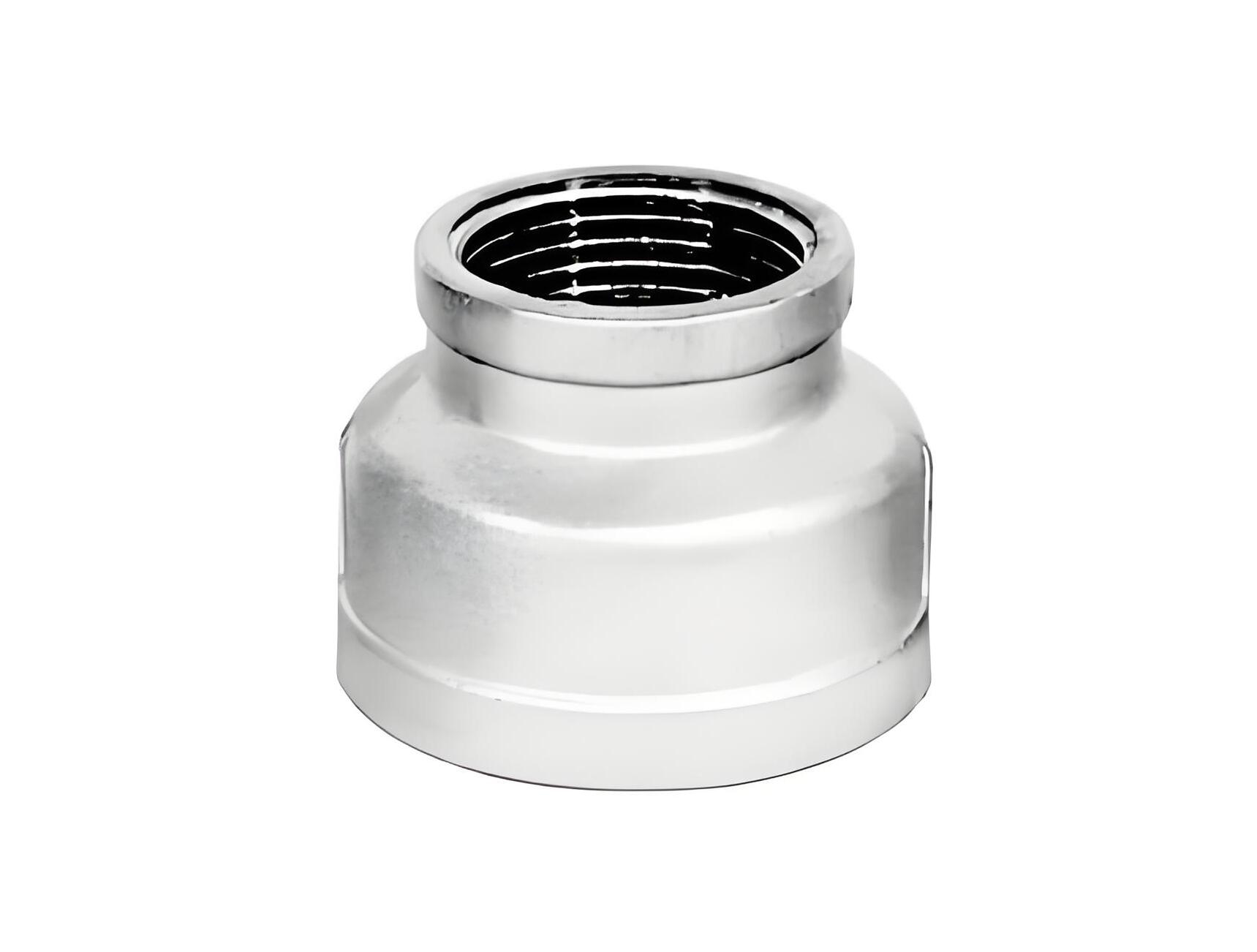
Threaded (Screwed) Reducer
Threaded (screwed) reducers belong to forged threaded connection pipe fittings. The product body is machined with internal threads, and the pipes are directly tightened and assembled through external threads without welding, making disassembly and assembly convenient and facilitating inspection, repair, and replacement of pipeline components. They comply with standards such as GB/T14383, ASME B16.11, and MSS SP-97, and commonly use NPT American tapered pipe threads and BSPT British tapered pipe threads. Specifications cover DN6 to DN100 (1/8 inch to 4 inch), with pressure ratings Class150, Class3000, Class6000, and Class9000. They are integrally forged and formed, with a dense material structure and no internal welds. They are divided into two structures: concentric and eccentric. Concentric types are used for vertical risers, while eccentric types are used for small horizontal pipes, solving the problems of gas accumulation and liquid accumulation in pipelines. Materials include carbon steel, stainless steel, alloy steel, etc. They are suitable for instrument pipelines, compressed air, water supply and drainage, gas, fire protection, and small chemical auxiliary pipes. They are suitable for working conditions requiring frequent disassembly and assembly and where hot work welding cannot be performed on site, and are also commonly used pipe fittings in foreign trade pipeline projects.
Learn More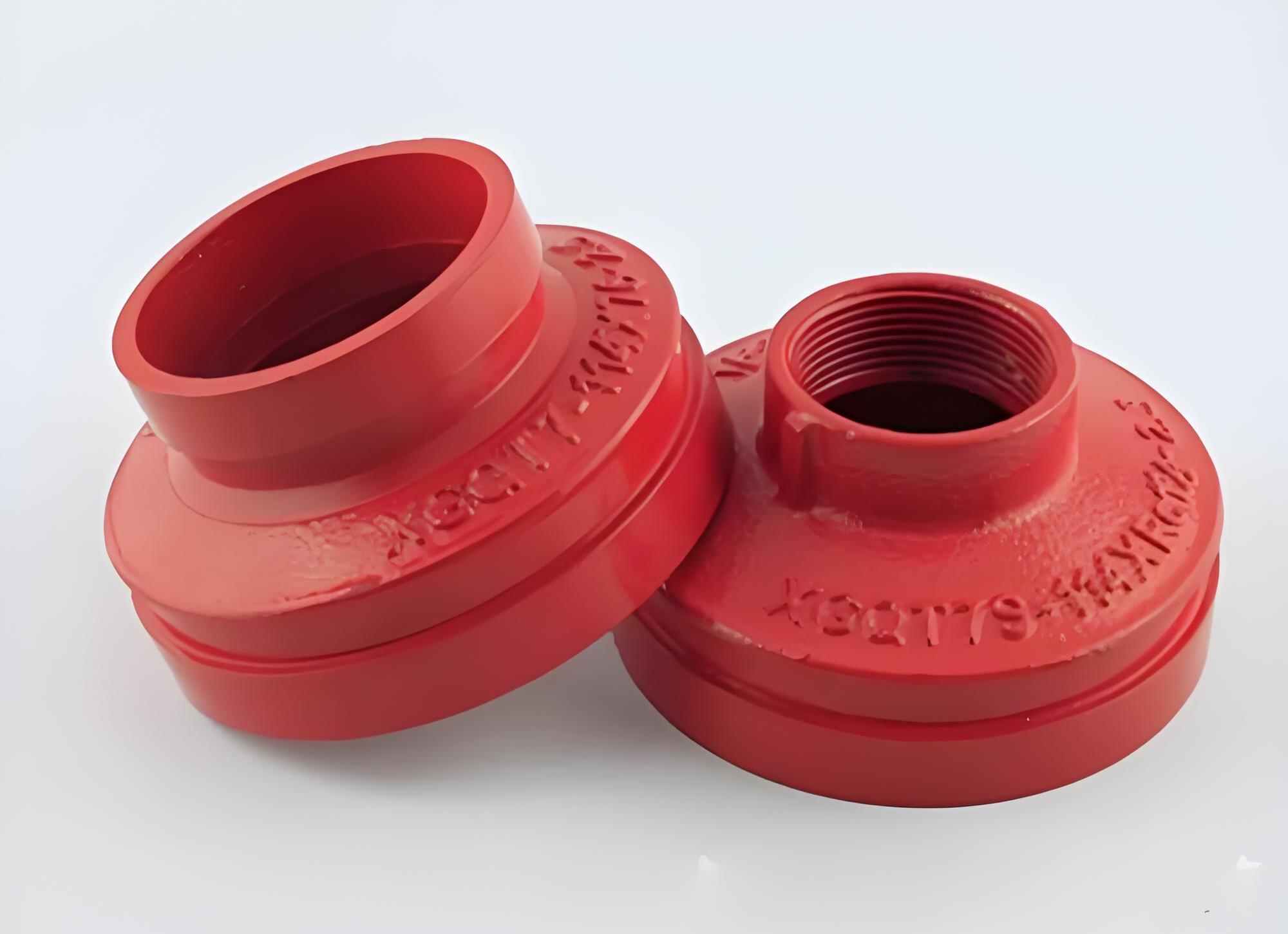
Grooved (clamp) reducer
Grooved (clamp) reducer, also known as grooved reducing coupling, clamp-type reducing pipe, English Grooved Reducer, belongs to grooved mechanical connection pipe fittings. The product has pre-formed rolled grooves at both pipe ends, relying on clamps and sealing rings to achieve rapid pipeline assembly, without welding, without threads, and easy to install. The product is divided into grooved concentric reducer and grooved eccentric reducer: the concentric type is used for vertical pipelines, with the flow channel centered and good flow stabilization effect; the eccentric type is mostly used for horizontal pipelines, with the flat-top structure used for exhaust and anti-cavitation, and the flat-bottom structure used for sewage media to prevent sedimentation. The commonly used material is ductile iron, and carbon steel grooved reducers are also available as an option, with specifications covering DN50~DN300. Relying on rubber ring sealing, it has the characteristics of shock absorption, noise reduction, and allowing a small amount of pipeline displacement, and is convenient for disassembly, assembly, and maintenance. The product is suitable for medium and low pressure pipelines mainly for water media, and is a core reducing accessory for fire sprinkler systems, fire main pipes, water supply and drainage, air conditioning cooling water, and pump room pipelines. Construction involves no open flame, making it suitable for indoor buildings, underground utility tunnels, and other scenarios where hot work is prohibited, and it is widely used in domestic construction projects and foreign trade fire protection, water supply and drainage projects.
Learn More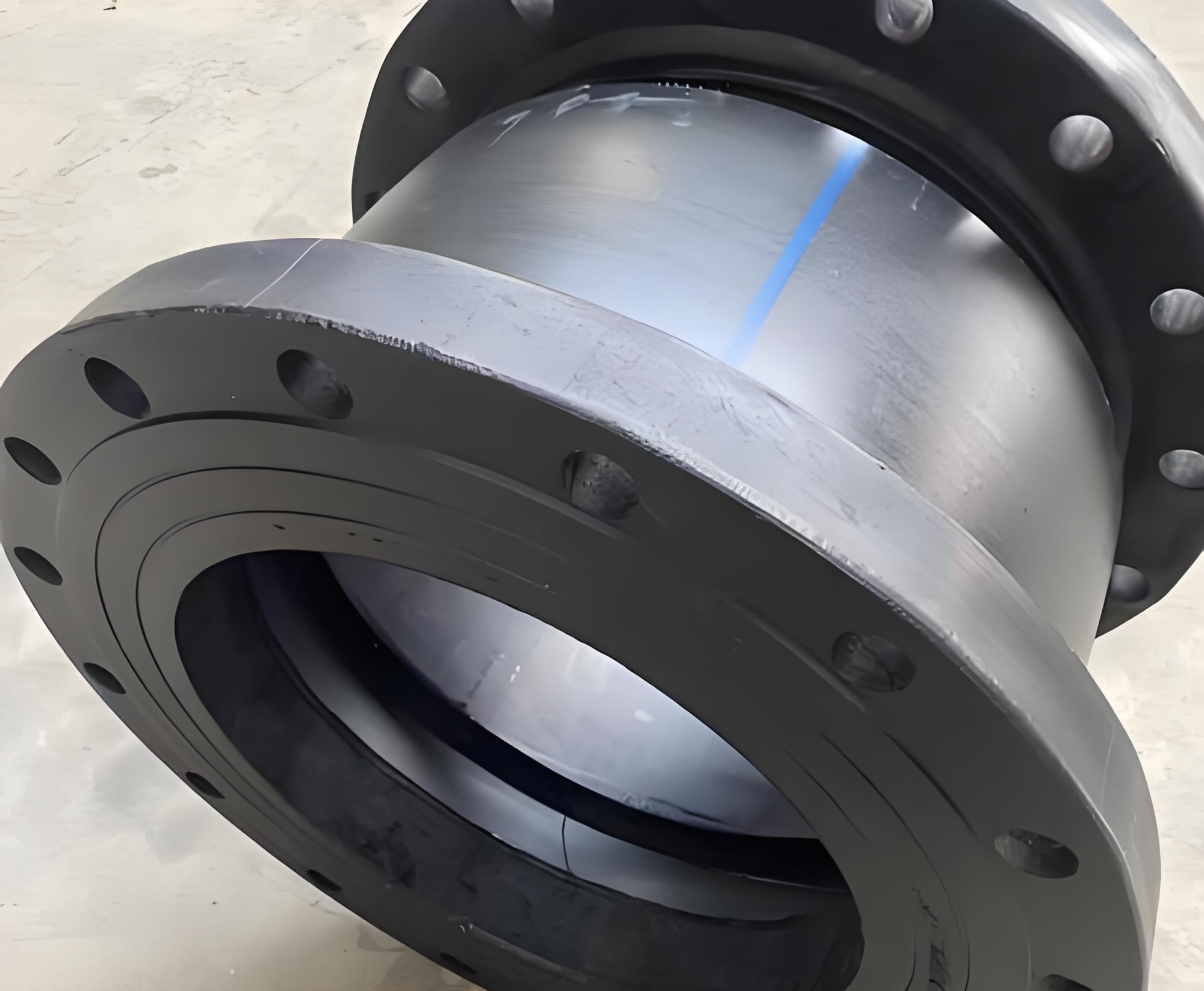
Flanged Reducer
Flanged reducer, also called flanged size head or flanged connection reducing joint, English Flanged Reducer. Its structure is that the pipe fitting body is a concentric or eccentric conical reducing section, with flanges directly integrated at both ends. During installation, butt connection is completed through bolts and gaskets, without the need for on-site welding of flanges. The product diameter range covers DN25 to DN1200, and pressure ratings include national standard PN10, PN16, PN25, PN40, PN64, PN100, as well as American standard Class150, Class300, Class600, Class900. Material options include carbon steel, stainless steel, alloy steel, and duplex steel. Sealing surfaces include RF raised face, MFM male-female face, TG tongue-and-groove face, and RJ ring joint face. The concentric type is mostly used for vertical risers and gas pipelines, while the eccentric type is used for horizontal pipelines, with the flat top for venting to prevent pump cavitation, and the flat bottom to avoid impurity accumulation. We can confirm specific configurations according to project requirements. You are welcome to contact us for selection suggestions and quotations.
Learn More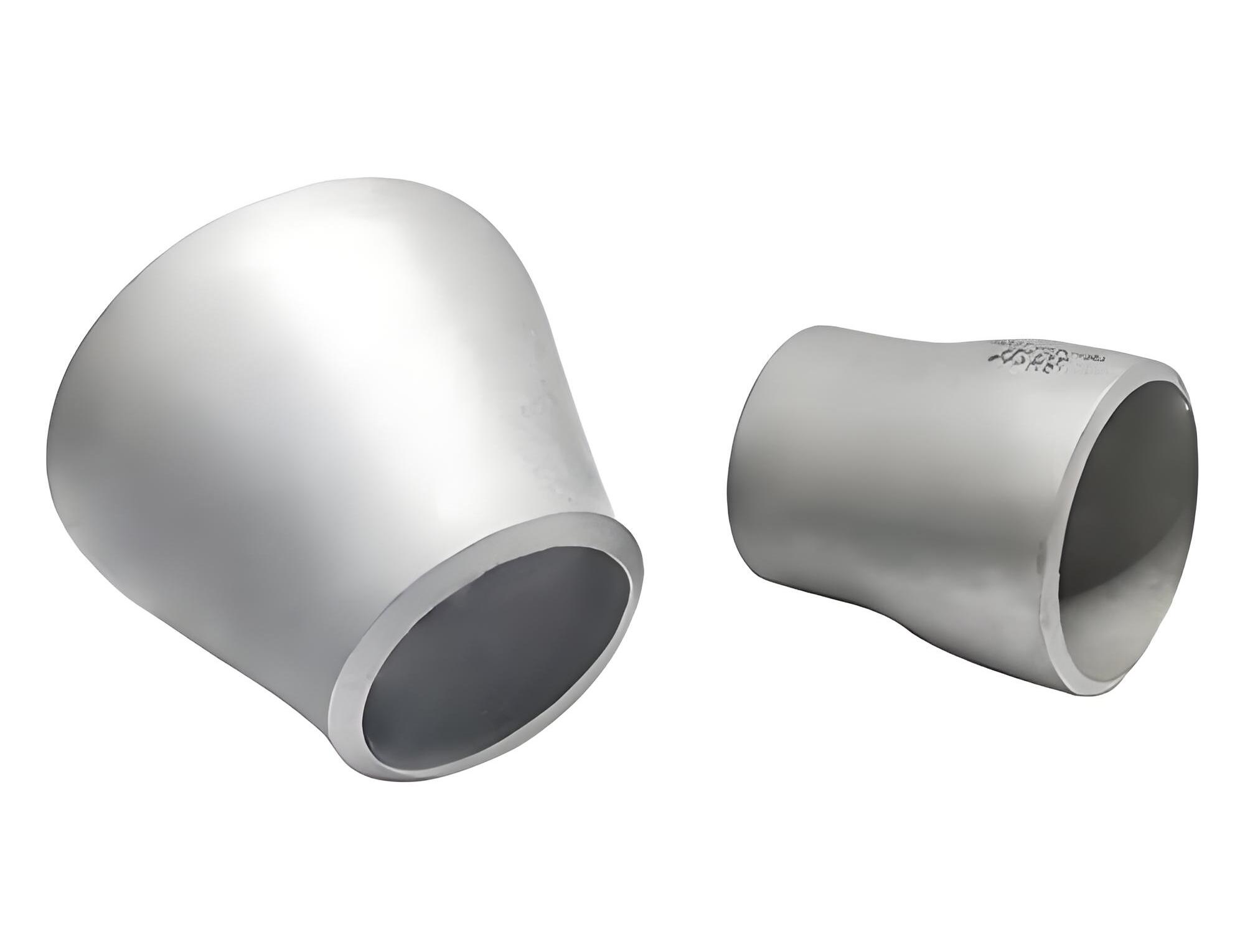
Seamless Pressed Reducer
Seamless pressed reducers are our core reducing fittings for high-pressure industrial piping systems. The product uses whole pipe as the blank and is integrally formed through reducing, expanding, or composite pressing processes. The body has no welds or joints, with a dense structure and uniform wall thickness. Compared with welded reducers, it is more suitable for high-temperature, high-pressure, explosion-proof, and leak-proof continuous operation conditions in terms of pressure resistance, impact resistance, and creep resistance. The product is divided into concentric and eccentric types. The eccentric type has top-flat and bottom-flat structures, respectively addressing the issues of gas accumulation and medium deposition in horizontal pipelines. Commonly used materials include 20#, Q235B carbon steel, 304, 316L stainless steel, 15CrMo, 12Cr1MoV alloy steel, and duplex steel, etc. The diameter range covers DN15–DN600, and pressure ratings cover STD, XS, XXS, and SCH10–SCH160. Before leaving the factory, it undergoes non-destructive testing, wall thickness verification, and spectral testing. If you have specific requirements for diameter, material, wall thickness, or non-standard sizes, welcome to contact us to confirm the configuration and quotation.
Learn More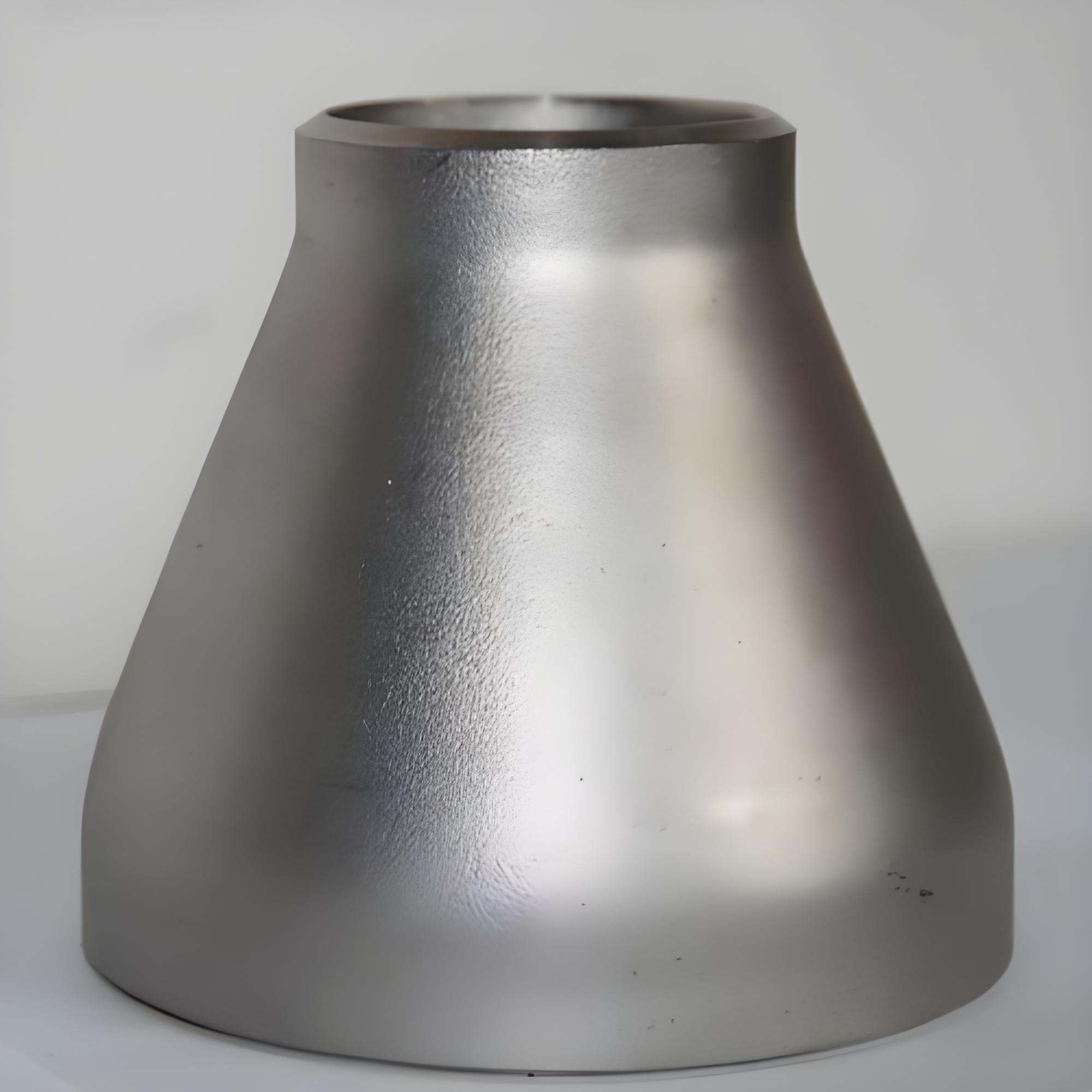
Forged Reducer
The forged reducers we produce, also called forged reducers or high-pressure forged reducing joints, in English Forged Reducer, are integrally formed using a whole-piece forging process, with no welds or seams. The product specifications are concentrated in the small-diameter range of DN6–DN100, the pressure ratings cover Class3000, Class6000, and Class9000, and the materials include A105 carbon steel, 304/316L stainless steel, F11/F22 alloy steel, and 2205/2507 duplex steel. Structurally, they are divided into two types, concentric and eccentric, and the connection methods support socket welding, threading, and flanging. They are mainly used in high-pressure small-pipe systems to make smooth transitions between different pipe diameters, such as power plant instrument sampling pipes, petrochemical precision process branch pipes, and natural gas high-pressure auxiliary pipelines. If you are selecting models for a high-pressure small-pipe project, you can send us the specific diameter, pound rating, material, and connection method, and we will assist in confirming the configuration and provide a quotation.
Learn More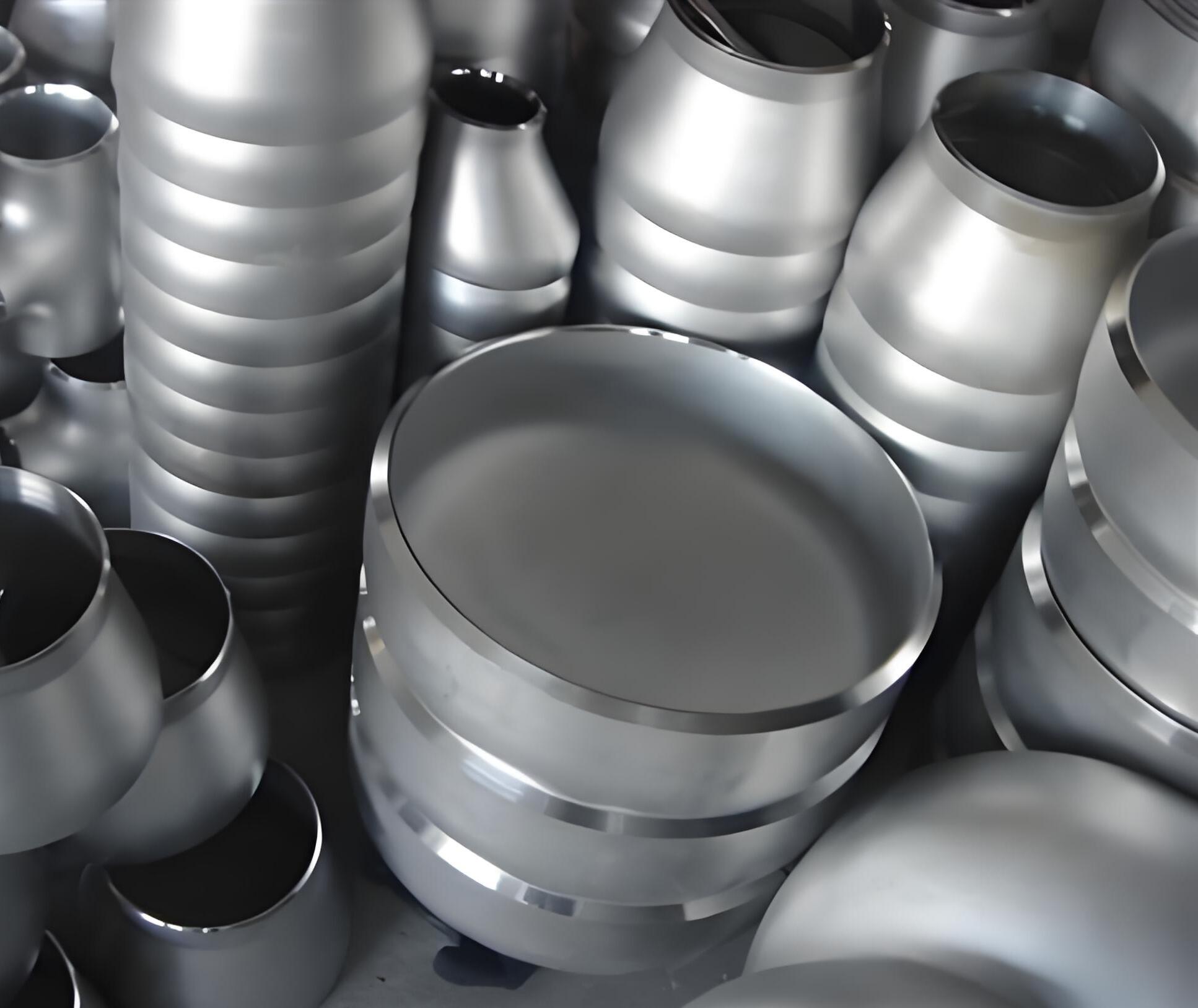
Pipe Cap
A pipe cap is a core pipe fitting used in pipeline engineering to close the end of a pipeline. Unlike a detachable flange cover, it is a permanent sealing solution, offering stronger sealing performance and better pipeline integrity after welding. We use integrated stamping and forging forming processes, resulting in a dense product structure and uniform pressure bearing, capable of withstanding high pressure, high temperature, and corrosive environments. Pipe caps are mainly used to seal idle pipe openings, reserved ports, and equipment terminals, preventing medium leakage while also blocking external impurities from entering the pipeline. We support full-specification stock and non-standard customization, covering various materials such as carbon steel, stainless steel, and duplex steel, and can produce according to standards such as national standards and American standards. Whether you are engaged in foreign trade bulk procurement, engineering project centralized procurement, or equipment repair and replacement, we can provide corresponding products and export documentation support.
Learn More