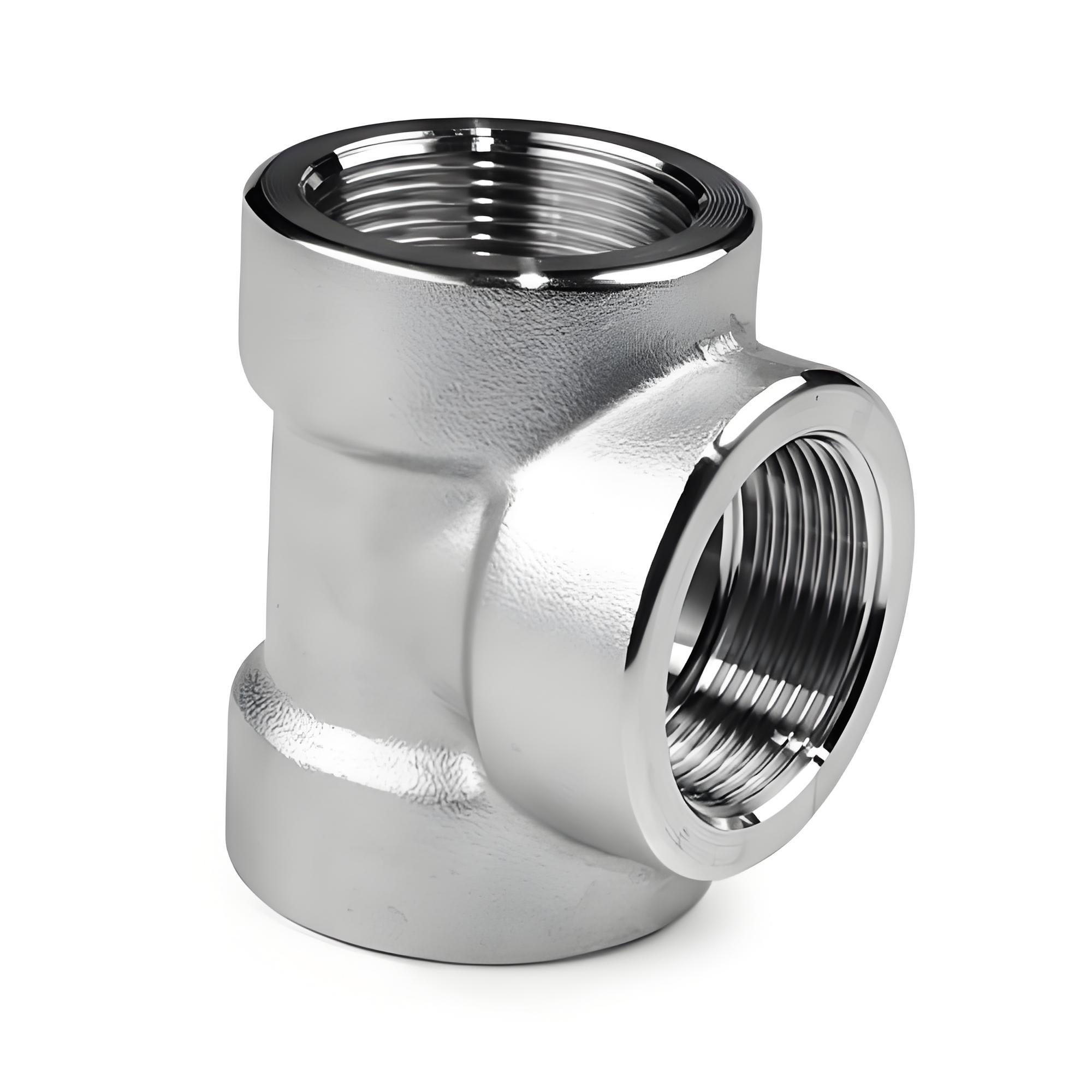
Threaded Tee
Threaded Tee is a forged threaded high-pressure pipe fitting, fully formed through integral forging process, requiring no welding, easy to install, flexible to assemble and disassemble, and is the most commonly used branch connection fitting for small-diameter pipelines. Both ends and the side outlet of the product adopt precision internal thread structures. Mainstream threads include NPT American standard taper thread, BSPP/BSPT British pipe thread, and ZG taper pipe thread, compatible with global piping standards. Specifications cover DN6-DN100 (1/8"-4"), pressure ratings include 2000LB, 3000LB, 6000LB, and 9000LB, with wall thicknesses corresponding to SCH40, SCH80, and SCH160. Materials cover carbon steel A105, 20# steel, 304/316L stainless steel, alloy steel, and duplex steel. It is divided into two main structures: equal-diameter threaded tee and reducing threaded tee, enabling pipeline diversion, confluence, bypass, sampling, and drainage branch functions. The product strictly complies with ASME B16.11, GB/T14383, and MSS-SP-79 standards, featuring high thread precision, good sealing performance, pressure resistance, vibration resistance, and leak resistance. It is widely used in instrument pipelines, hydraulic piping, fire protection, gas, plumbing, petrochemical, and power equipment supporting applications, and is a quick-install fitting.
Learn More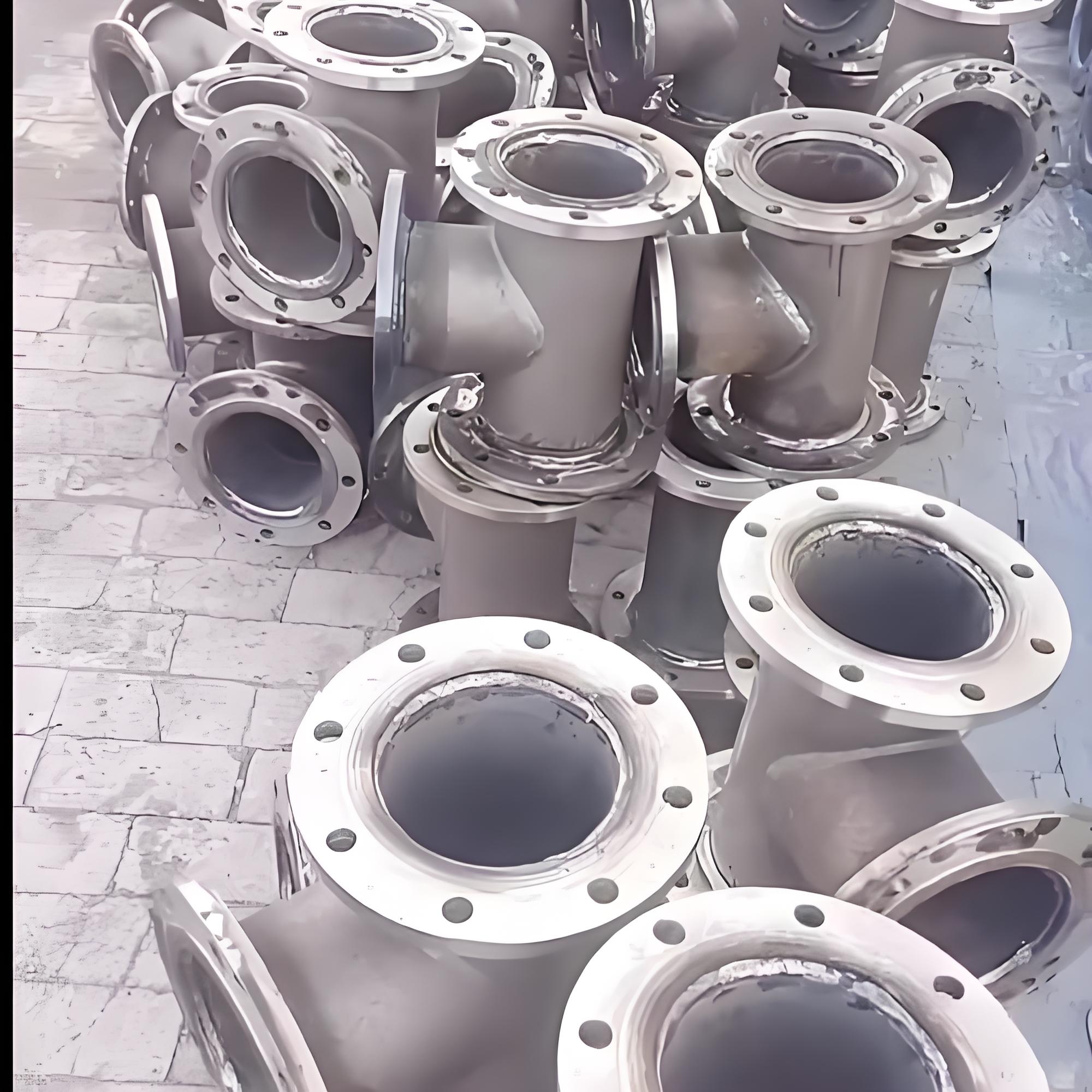
Flange Tee FL
Flange tee FL, abbreviated as FL tee, has flanges on all three ends. The detachable connection is completed by bolts and gaskets. It is the core branch fitting of large-diameter detachable pipeline systems. The main body is formed by seamless hot pressing or rolled welding. The two ends and the branch pipe are welded with flanges to form an integrated three-flange structure. The product realizes medium diversion, confluence, bypass, and branch reservation in pipelines. It is convenient for disassembly, assembly, inspection, and maintenance. In later stages, pipeline disassembly, valve replacement, and equipment maintenance can be performed without cutting pipes. The specification range covers DN15 to DN2000, pressure ratings from PN10 to PN160 and Class150 to Class2500. Flange sealing faces include RF, FF, MFM, TG, RTJ and other forms. Materials include carbon steel A234 WPB, stainless steel 304/316L, alloy steel, and duplex steel. It is divided into two main structural types: flange equal tee and flange reducing tee. The main body complies with ASME B16.9 and GB/T12459, and the flanges comply with ASME B16.5 and GB/T9113 standards. It is widely used in petrochemical, power plant thermal, municipal utility tunnels, water treatment, natural gas, marine and shipbuilding industries, and is especially suitable for occasions requiring frequent maintenance, equipment connection, and large-diameter process pipelines.
Learn More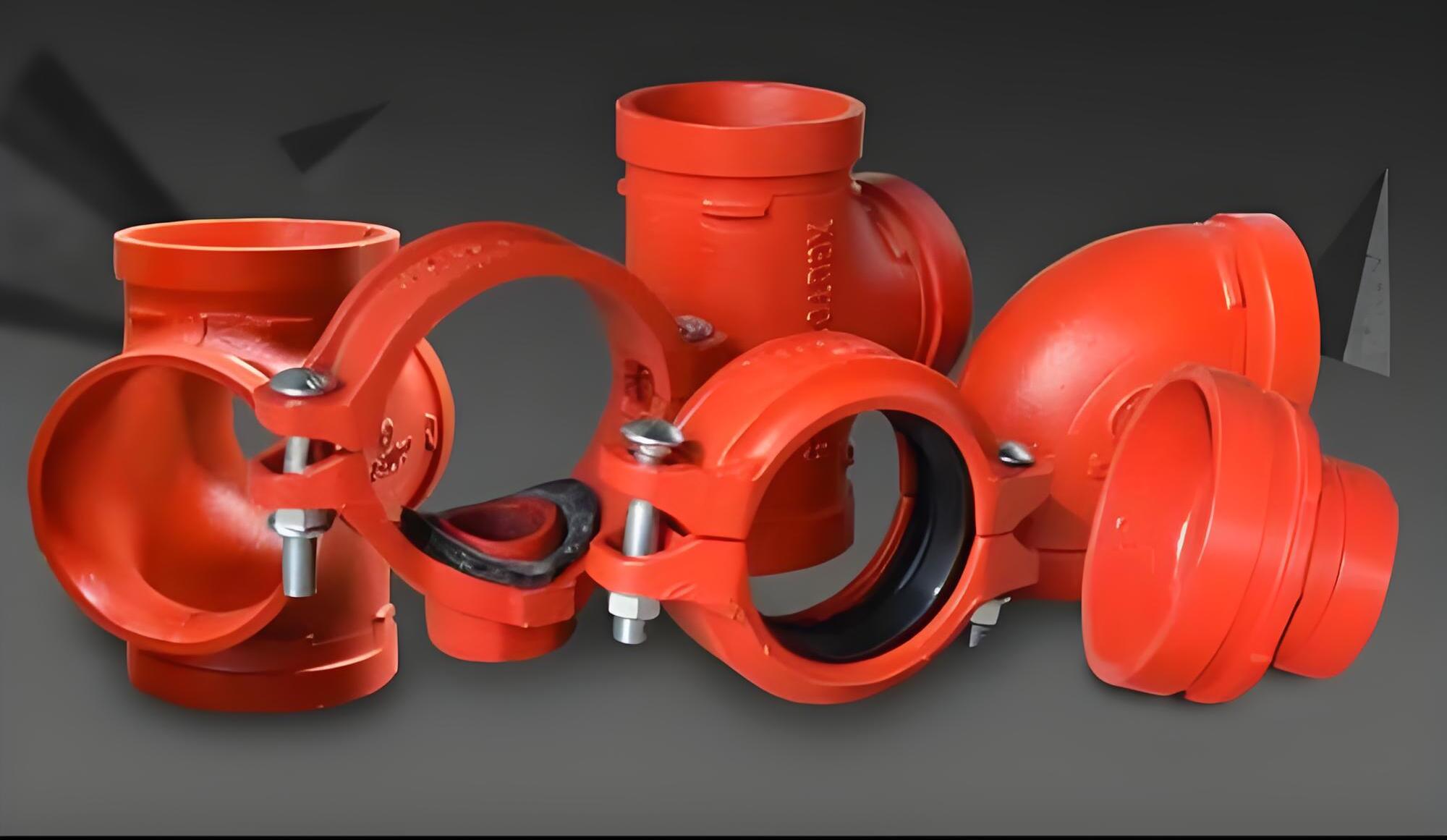
Grooved (Clamp) Tee
Groove coupling tee, also known as grooved tee, belongs to the grooved pipe fitting series. It achieves branch pipe connection through the groove formed after pipe rolling, combined with couplings and rubber sealing rings, requiring no welding and no threading throughout the entire process, making installation fast and safe. The main body of the product is mostly cast from QT450-10 ductile iron, and stainless steel material can be selected for some working conditions to enhance corrosion resistance. The sealing ring uses imported EPDM rubber, which is high-temperature resistant and aging resistant, ensuring long-term zero leakage. This product is mainly used in pipeline systems such as fire sprinkler systems, fire water supply, domestic water supply and drainage, and HVAC circulating water, to achieve diversion from the main pipe to branch pipes. Structurally, it is divided into straight tees, reducing tees, and mechanical tees, among which the mechanical tee can be directly opened and side-connected without cutting the main pipe, making it especially suitable for renovation without water shutdown and adding branches to old pipe networks. The product is compatible with grooved rolled pipes such as galvanized steel pipes and seamless steel pipes, and is widely used in fire protection pipeline projects for factories, shopping malls, underground garages, and buildings, meeting fire protection acceptance standards. We provide multiple specifications and customization services, and welcome you to contact us to confirm the specific configuration.
Learn More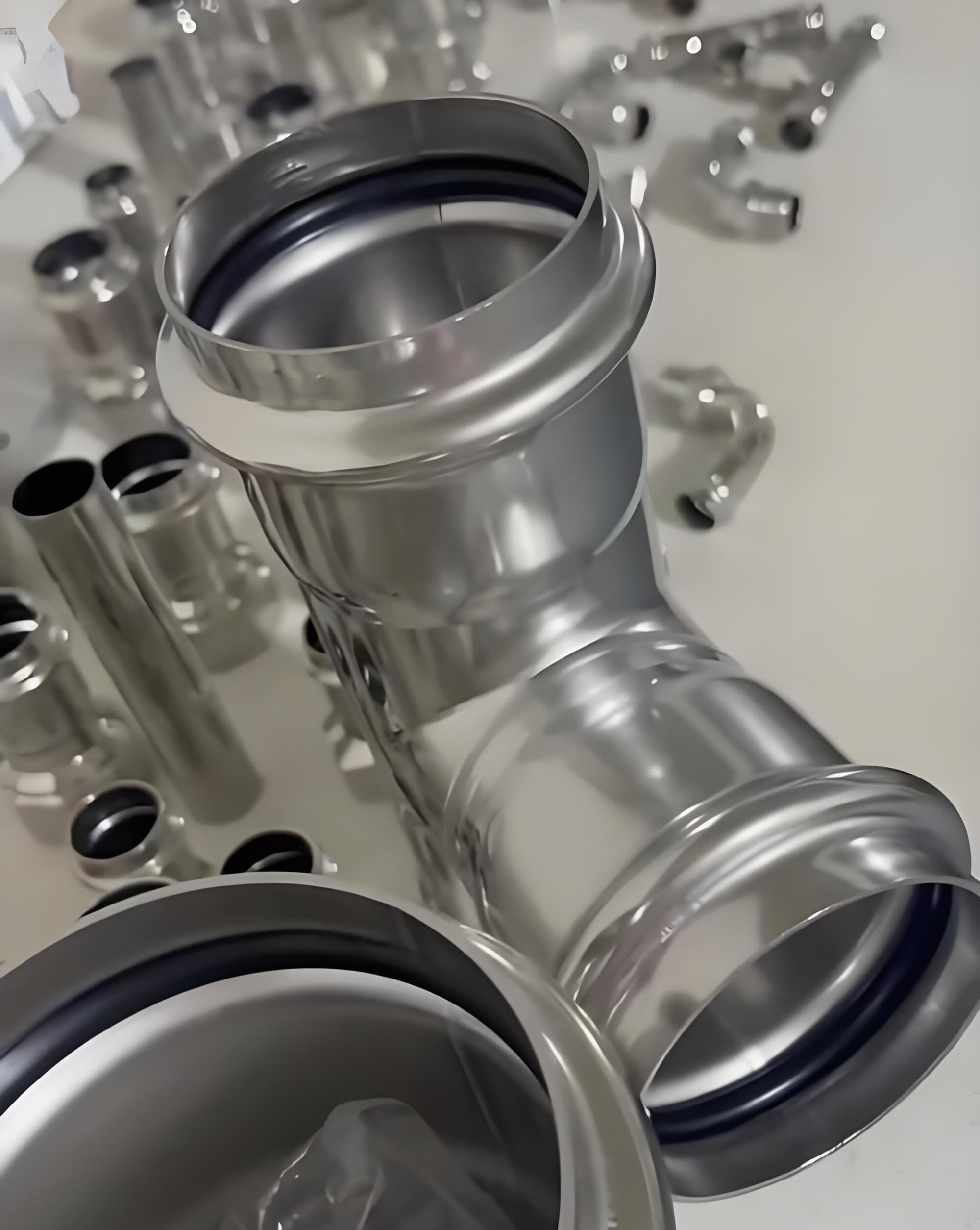
Press-fit tee
The press-fit tee is a type of stainless steel press-fit pipe fitting, mainly used for branch connections and flow distribution in thin-wall stainless steel pipelines. It relies on a dedicated press-fit tool to squeeze the ends of the fitting, causing the fitting and the pipe to interlock tightly, and works together with EPDM or HNBR sealing rings to achieve a sealed connection—no welding or thread cutting is required throughout the entire process. The main body material is commonly 304 or 316L stainless steel, offering corrosion resistance, hygienic compliance, and a long service life. The product is available in two main configurations: equal-diameter and reducing, and is compatible with national-standard thin-wall stainless steel water pipes. It is widely used in drinking water systems, water purification projects, gas, HVAC, pharmaceutical, food, and building water supply and drainage pipelines. The press-fit connection method allows for fast installation, and the joints are resistant to vibration and pull-out, with stable sealing performance and low risk of leakage. The Guojie brand offers a variety of specifications and supports OEM/ODM customization to meet engineering and foreign trade requirements.
Learn More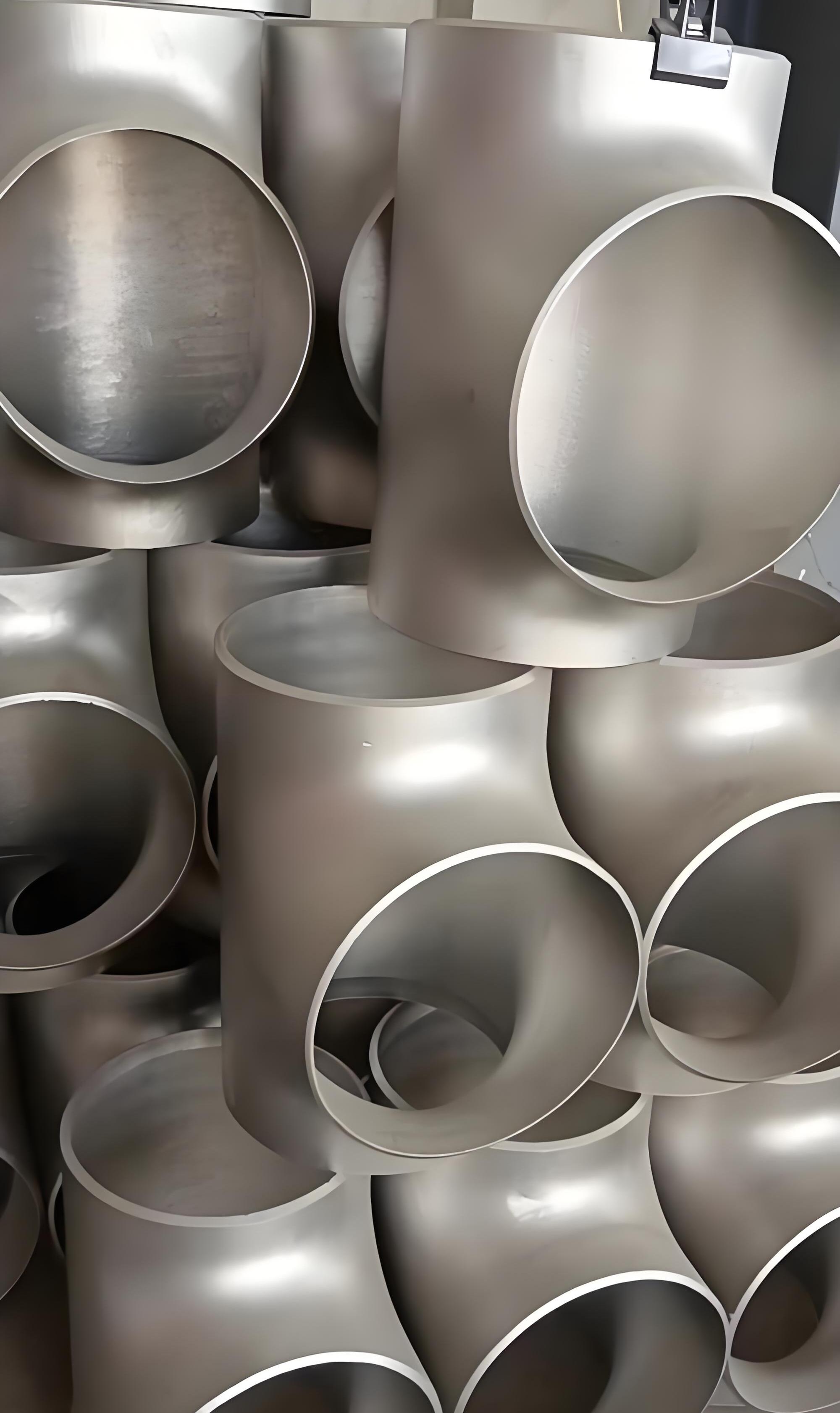
Hot Press (Hot Push) Seamless Tee
Hot-pressed (hot-extruded) seamless tees belong to steel butt-welded seamless pipe fittings. By heating a seamless pipe blank to a high-temperature plastic state and relying on a die to extrude and push out the branch pipe, the entire fitting is formed in one piece without any welded seams. This process makes the metal structure dense and uniform, keeps wall thickness stable, and significantly improves pressure resistance and high-temperature performance. The product ends are machined with welding bevels and connected to pipelines by butt welding. It is suitable for diversion and collection in high-pressure process pipelines in petroleum, chemical, electric power, heating, natural gas, and other industries. Compared with welded fabricated tees, hot-pressed seamless tees have no hidden defects from weld seams and are a reliable choice for special equipment projects involving pressure pipelines. We offer three major material series: carbon steel, alloy steel, and stainless steel, strictly implement GB/T12459 and ASME B16.9 standards, and can customize non-standard specifications according to project requirements.
Learn More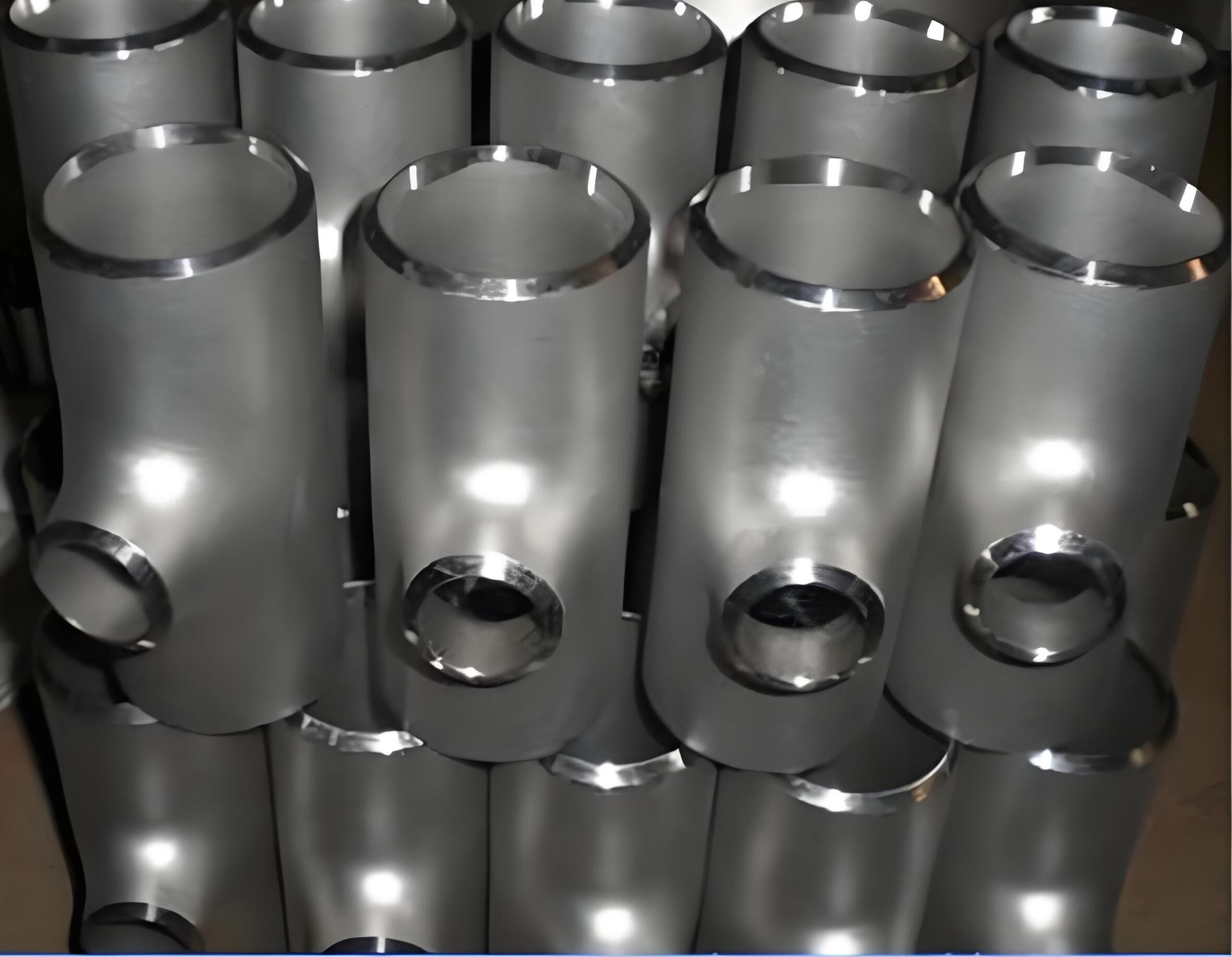
Hydraulic Bulge Forming Tee
Hydraulic bulging tees belong to steel seamless butt-welding pipe fittings. They are integrally formed by the hydraulic bulging process, in which high-pressure liquid inside the pipe blank exerts pressure while external dies guide the plastic flow of the material to directly bulge out the branch pipe, resulting in an overall weld-free structure. Unlike hot-pushed and hot-pressed tees, hydraulic bulging is mostly a cold-forming process, with uniform material deformation, smooth inner and outer surfaces of the fitting, controllable wall-thickness reduction, and high dimensional accuracy. The applicable standards are GB/T 12459 and ASME B16.9, and the materials cover carbon steel, alloy steel, and stainless steel. The product ends are machined with welding bevels and connected by butt-welding (BW). It is widely used in medium- and high-pressure chemical, pharmaceutical, food, and municipal process pipelines, and is especially suitable for the production of stainless steel tees. Due to process limitations, large-diameter and extra-thick-wall fittings are less commonly produced by hydraulic bulging; small- and medium-diameter with medium wall thickness is its advantageous range. The metal structure has no high-temperature oxide scale, and the surface quality is superior to that of the hot-pushing process.
Learn More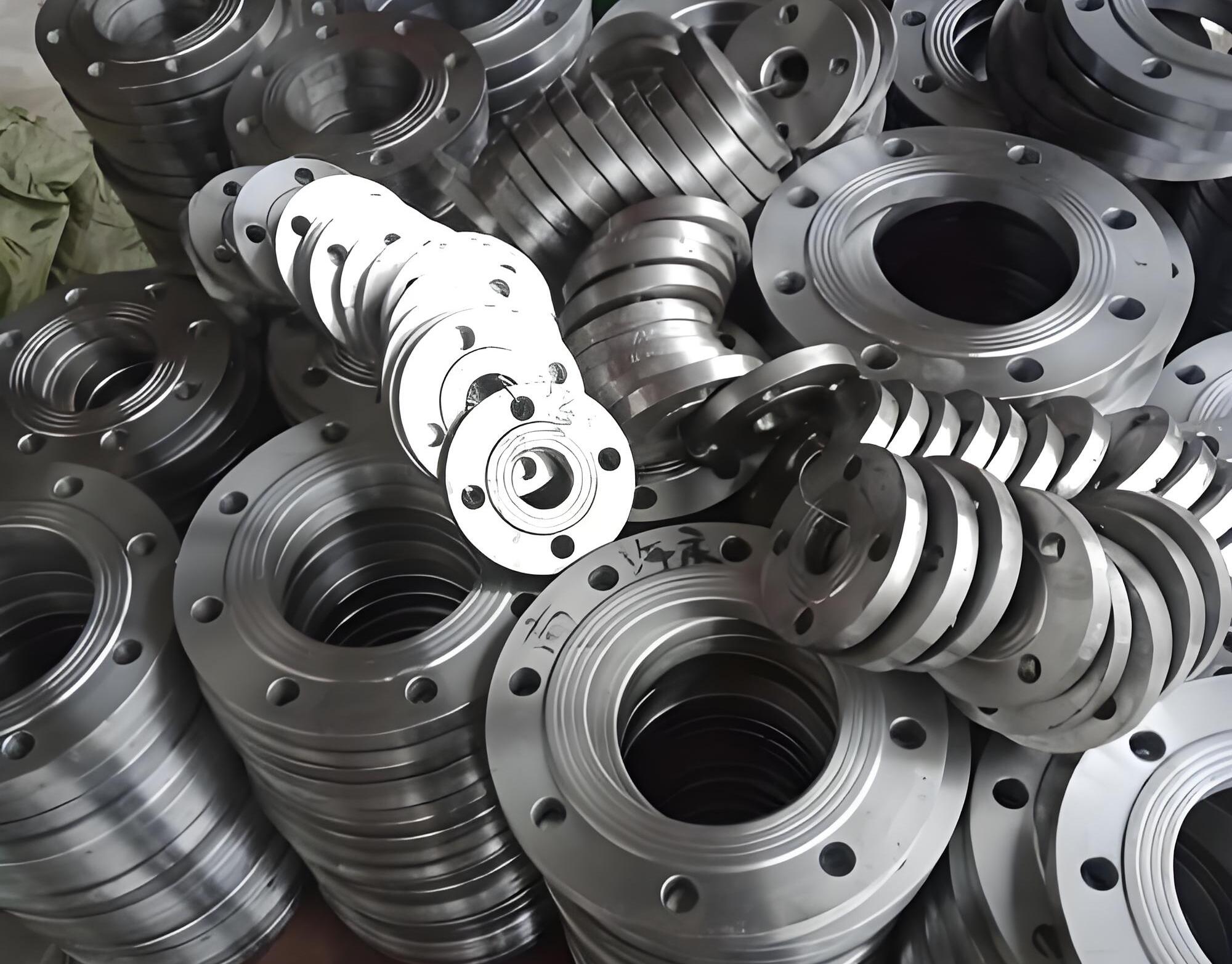
Plate flat welding flange PL
Plate Slip-On Flange (PL, Plate Slip-On Flange) belongs to steel plate slip-on flanges and is the most commonly used low-pressure flange fitting in industrial pipelines. The flange body is a flat disc structure; the pipe is inserted directly into the flange bore and secured by fillet welds on both the inner and outer sides, without the need for beveled butt welding. The product has a simple production process, low processing cost, and short delivery cycle, and is widely used in medium- and low-pressure working conditions. It implements the standards GB/T9119 and HG/T20592 European standard PN system; the American standard rarely uses PL plate slip-on flanges, and instead mostly uses SO hubbed slip-on flanges. The mainstream sealing face is the RF raised face. Materials include carbon steel, stainless steel, and alloy steel; pressure ratings are PN6-PN40, and it is not suitable for high-temperature, high-pressure, alternating-load, or flammable and explosive high-risk pipelines. It is mostly used in water supply and drainage, fire protection, ordinary heating, and ordinary chemical low-pressure pipelines. The flange bolt holes are evenly distributed according to the standard, and matching gaskets, bolts, and nuts enable detachable connection of the pipeline.
Learn More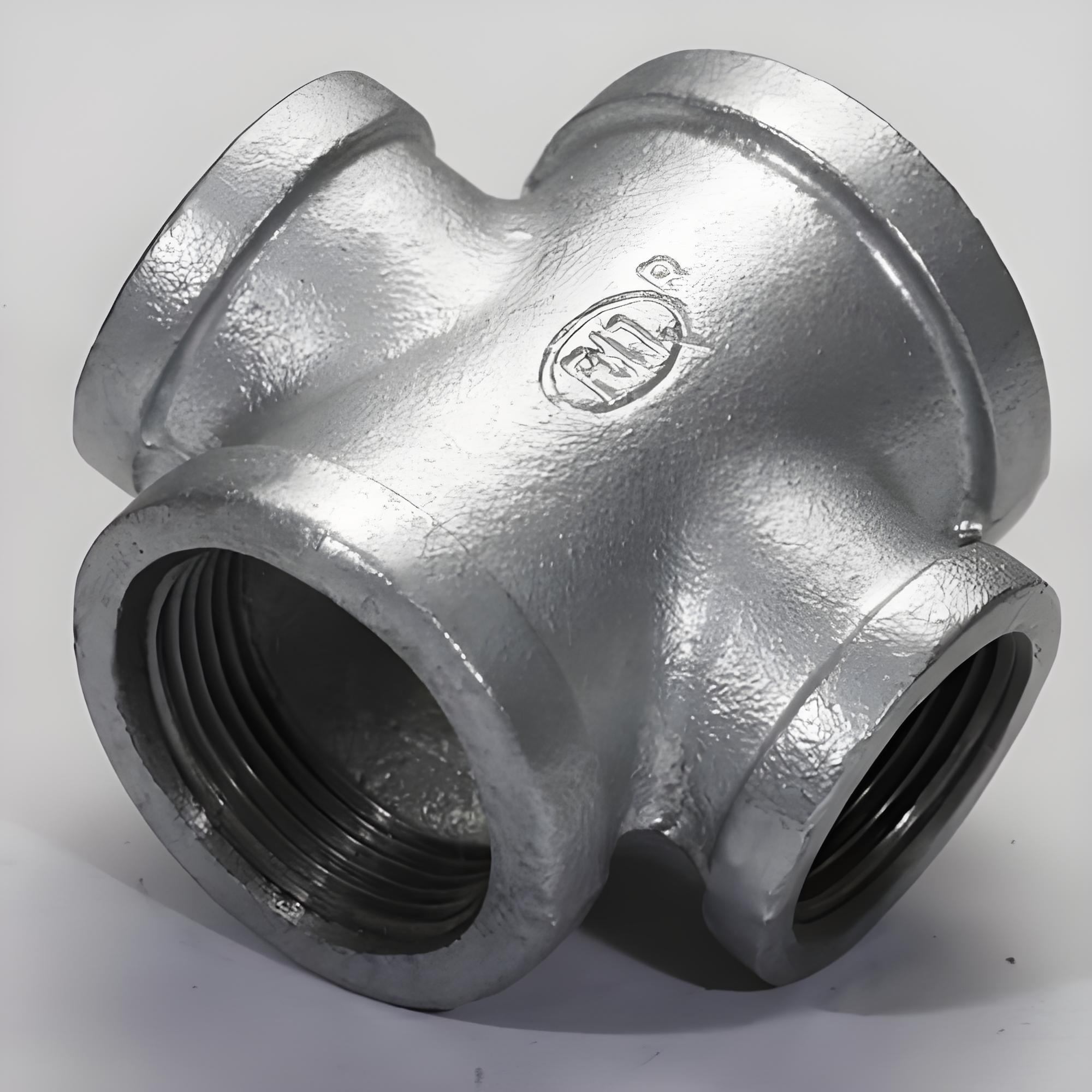
Stone
A four-way (cross fitting) is a key branch pipe fitting in industrial piping systems. Its cross-shaped structure has four flow ports, enabling single-inlet three-outlet, three-inlet single-outlet, or four-way interconnection, meeting the multi-point diversion and merging needs of complex pipeline networks. Compared with using multiple tees and elbows assembled together, a four-way can significantly simplify pipeline layout, reduce weld joints, and lower leakage risks. The product complies with domestic and international standards such as ASME B16.9, GB/T12459, and SH/T3408, with nominal diameters ranging from DN15 to DN1200, wall thickness grades from SCH10 to SCH160 and XXS extra-heavy, covering two major types: equal-diameter and reducing, with connection methods including butt welding, socket welding, threaded, and grooved. In terms of forming processes, we use hot pushing, hydraulic bulging, and integral forging to ensure uniform pipe walls with no defects, and the streamlined inner cavity design reduces medium resistance. The products are widely used in petrochemical, oil and gas transportation, power plant steam systems, water treatment, and fire protection pipeline networks, suitable for engineering projects with high requirements for pipeline reliability. We provide standard stock items and non-standard customization services, support small-batch trial samples and mixed-batch procurement, and welcome you to contact us for selection advice and quotations.
Learn More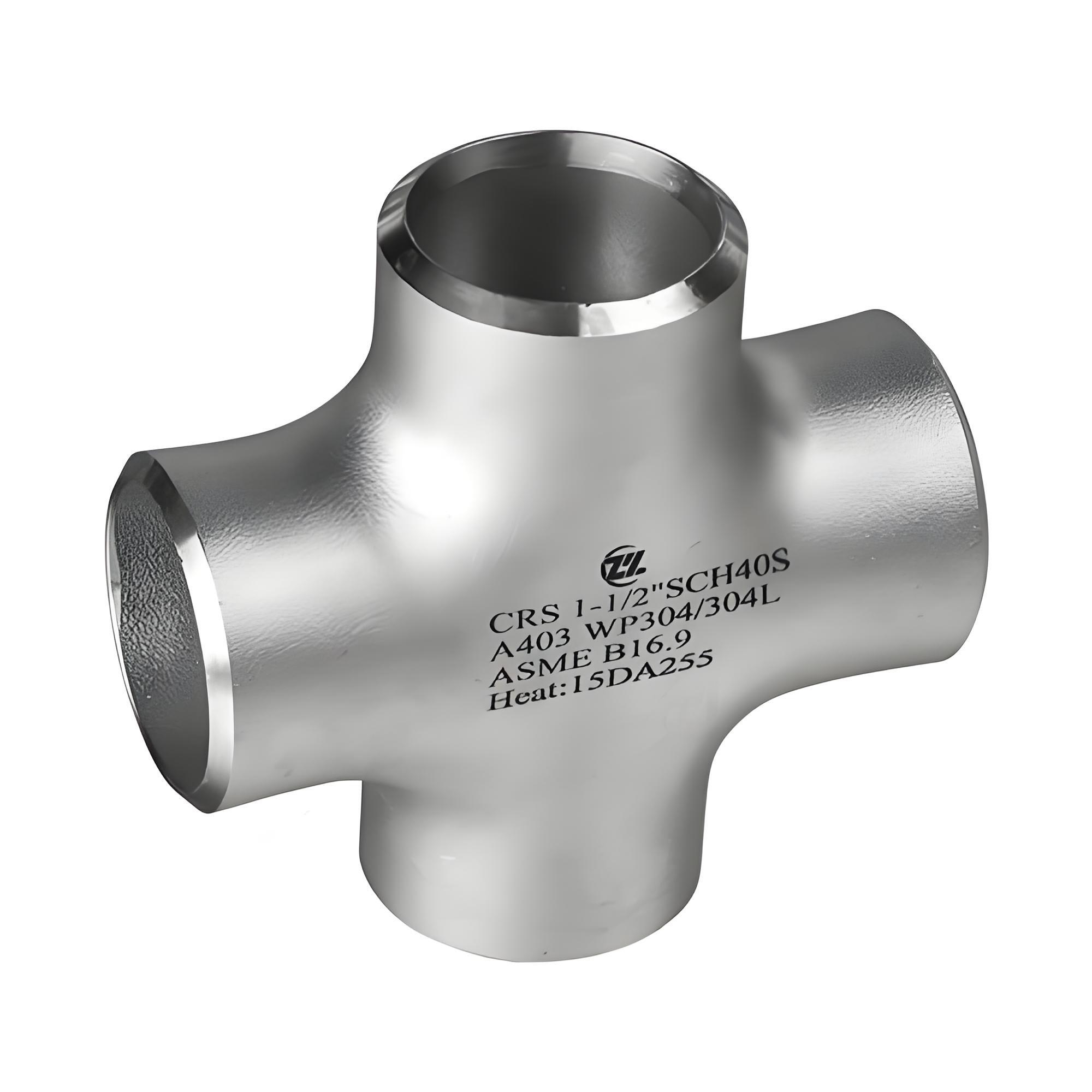
Equal-diameter cross
An equal-diameter cross is a cross-shaped pressure-bearing pipeline fitting in which the nominal diameters of all four pipe openings are completely identical, with all four pipe diameters being the same, allowing the medium to achieve four-way diversion, convergence, and annular distribution. The mainstream forming processes include hot pushing, hydraulic bulging, and integral forging, and the main applicable standards are ASME B16.9, GB/T12459, and SH/T3408. The product diameter range is DN15 to DN1200, and the wall thickness covers SCH10 to SCH160 and the XXS extra-heavy grade. It is integrally formed in one piece, with a smooth streamlined inner cavity, balanced pressure distribution, and low eddy current resistance, making it suitable for symmetrical process pipe networks and annular pressure-stabilizing pipelines. Unlike a reducing cross, an equal-diameter cross cannot change the pipe diameter, and it is mostly used for multi-way equal-distribution conveyance in plant areas, circulating pipe networks, and parallel pipelines. The product is widely used in high-pressure industrial pipeline systems such as petrochemicals, thermal power, natural gas, water treatment, and heating. Due to stress concentration at the intersection, non-destructive testing must be carried out before leaving the factory to ensure safe operation under high-pressure working conditions.
Learn More